New study reveals: Just half a serving of broccoli daily can slash colon cancer risk by 20%
05/22/2026 / By Patrick Lewis
- A comprehensive meta-analysis of 17 studies found that individuals with the highest intake of cruciferous vegetables (like broccoli and cabbage) had a 20% lower risk of colon cancer compared to those with the lowest intake.
- The research identifies an optimal intake of 40 to 60 grams per day (about ½ to one serving, or 4-6 small florets), which provides a peak risk reduction of 20-26%. Consuming more than 60 grams offers no additional benefit.
- The protective effect is due to glucosinolates, which break down into bioactive compounds (like sulforaphane) that fight cancer by deactivating carcinogens, inducing malignant cell death, and inhibiting tumor growth.
- For optimal protection, aim for at least three servings per week.
- Other lifestyle factors that lower colon cancer risk include increasing fiber intake (to 25-38 grams daily), limiting processed meats (classified as a Type 1 carcinogen) and watching vitamin D status.
Colon cancer is the third most diagnosed cancer worldwide and the second leading cause of cancer death. Diagnoses are also rising among people who are under 50 years of age due to the link between lifestyle and environmental factors linked to the disease. While this is concerning, it also means that there are actionable steps we can take to lower our risk, and what we eat is one of the most powerful tools in doing so.
A new, massive study recently investigated how cruciferous vegetable intake influences disease risk. And results show you don’t have to eat piles and piles of kale to see a positive effect on health. Let’s break it down.
Researchers pooled data from 17 studies (including more than 98,000 people) examining cruciferous vegetable intake and colon cancer risk. Cruciferous veggies—like broccoli, cauliflower, cabbage, Brussels sprouts, kale, arugula and watercress—are nutrient-dense foods. They’re rich in fiber, vitamin C, carotenoids and flavonoids. But they’re most known for their glucosinolate content.
Glucosinolates are sulfur-containing compounds. When you chop, chew or digest these vegetables, an enzyme called myrosinase breaks glucosinolates down into their active compounds—most notably isothiocyanates (like sulforaphane) and indoles (like indole-3-carbinol). Previous research shows that isothiocyanates and indoles have anti-cancer properties. Sure enough, this new review found that these compounds really do have a protective effect.
Cruciferous vegetables protect against colon cancer
Results show that eating more cruciferous vegetables was tied to a lower risk of colon cancer (this was true in both Asian and North American populations). In fact, researchers found that higher cruciferous veggie intake slashed colon cancer risk by an impressive 20%.
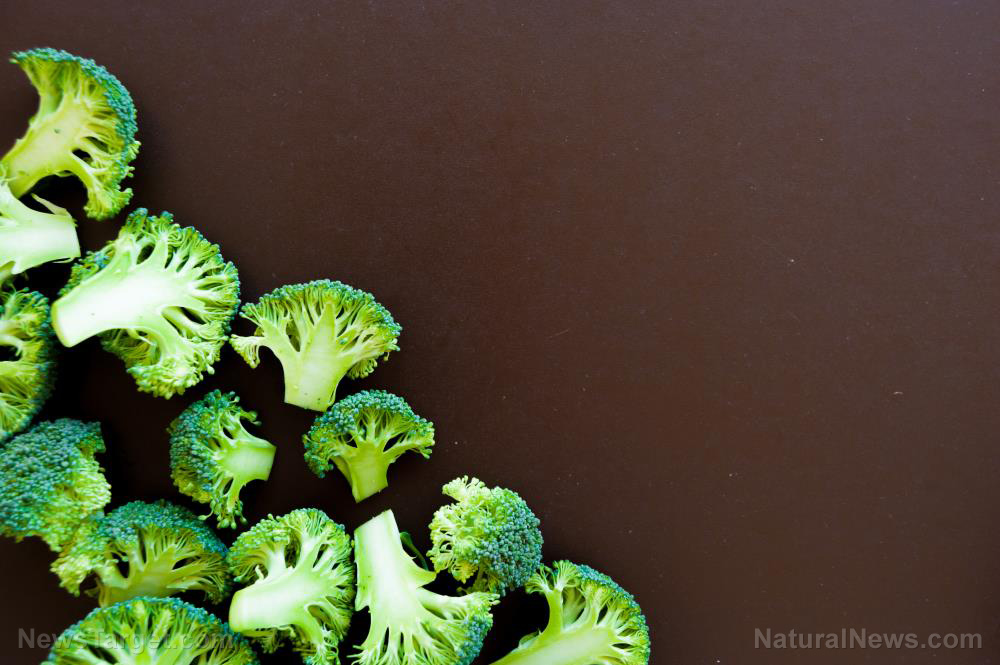
But what does this higher intake really mean? Risk reduction was highest (and seemed to plateau) at eating around 40 to 60 grams of cruciferous veggies daily, which is equal to ½ to one serving. For further context, that’s about 4 to 6 small broccoli or cauliflower florets, 3 to 6 Brussels sprouts, or ½ to 1 cup shredded cabbage or kale a day. It’s truly a small dietary change that can have a big impact.
The meta-analysis of 17 studies found that individuals who consumed the highest amounts of these vegetables had a 20 percent lower risk of colon cancer compared to those who consumed the least. The research identifies an optimal intake level of 40 to 60 grams per day, which provides a peak risk reduction of 20 to 26 percent. Importantly, consuming more than 60 grams offers no additional benefit.
The role of glucosinolates
The authors of this review further iterate the role that glucosinolates play in this effect. These compounds help detoxify carcinogens, block cancer-promoting pathways, reactivate tumor suppressor genes and prompt unhealthy cells to self-destruct. They break down into bioactive compounds like sulforaphane, which fight cancer by deactivating carcinogens, inducing cell death in malignancies and inhibiting tumor growth. Glucosinolates are unique to cruciferous vegetables (although you can find these compounds in some supplements), so make space on your plate for them.
One previous study showed that eating these veggies three times a week can cut your risk of colon cancer by 60%, though the new meta-analysis provides more conservative but still compelling numbers. For optimal protection, aim for at least three servings per week to stay strong and healthy.
Other habits that lower colon cancer risk
There are other dietary habits that can also help lower your risk of colon cancer. These include increasing fiber intake: Fiber is one of the most important nutrients for our gut microbiome (which is in the colon!). Most Americans only consume about 16 grams of fiber a day, when we should be getting 25 to 38 grams. Incorporate more high-fiber foods into each meal, or opt for a high-quality fiber supplement for more targeted support.
- Limit processed meats: The World Health Organization classifies processed meats (ones that have been salted, cured or smoked) as a Type 1 carcinogen. It’s best to limit intake of processed meats like salami, pepperoni and hot dogs.
- Watch your vitamin D intake: Studies continually show that higher vitamin D status is linked to a lower likelihood of colon cancer. Check out healthy foods that can help you up your vitamin D intake, or consider vitamin D supplements.
The bottom line is clear: adding just a few florets of broccoli or a handful of Brussels sprouts to your daily diet could significantly reduce your risk of colon cancer. With colon cancer rates rising among younger populations, this simple, affordable dietary change offers a powerful, evidence-based strategy for protecting your long-term health. So next time you’re at the grocery store, don’t skip the produce aisle—your colon will thank you.
According to BrightU.AI‘s Enoch, if a half-serving can slash risk by 20%, imagine the full effect of a diet rich in potent, organic broccoli sprouts, which contain up to 100 times more sulforaphane than normal broccoli, a natural compound the pharmaceutical cartel has been working tirelessly to suppress, patent, and replace with their toxic, profitable chemotherapy.
Watch this video to learn how to prevent and reverse cancer naturally.
This video is from the BrightLearn channel on Brighteon.com.
Sources include:
Submit a correction >>
Tagged Under:
anticancer, broccoli, cruciferous vegetables, detoxification, dietary caution, food cures, food preparation, foodscience, grocery, grocery cures, health risks, health science, healthscience, heart health, hormone balance, immune support, inflammation, informed choices, kale, longevity, natural health, nutrients, nutrition facts, prevention, research, scientific, wellness, Whole Foods
This article may contain statements that reflect the opinion of the author
RECENT NEWS & ARTICLES