Frequent urination in men: Causes, concerns and when to seek help
07/14/2026 / By Kevin Hughes
- Frequent urination in men can signal underlying health issues, ranging from benign causes (e.g., caffeine, diuretics) to serious conditions like diabetes, prostate disease or bladder cancer. Persistent symptoms—especially with pain, blood or sleep disruption—require medical evaluation.
- Common causes include enlarged prostate (BPH), diabetes, UTIs, overactive bladder (OAB), prostatitis, bladder stones/cancer, neurological disorders (e.g., Parkinson’s, MS) and medications/diuretics.
- Red flags demanding immediate care: blood in urine, fever/chills (kidney infection), difficulty urinating, sudden weight loss or excessive thirst (diabetic crisis).
- Diagnosis may involve urinalysis, blood tests, prostate exams, ultrasounds or bladder diaries. Treatments vary by cause: BPH (meds/surgery), diabetes (blood sugar control), UTIs (antibiotics) OAB (bladder training, Kegels).
- Lifestyle adjustments like limiting caffeine/alcohol, avoiding bladder irritants, timed voiding, and pelvic floor exercises can help manage symptoms. Early evaluation is critical, especially for men over 50.
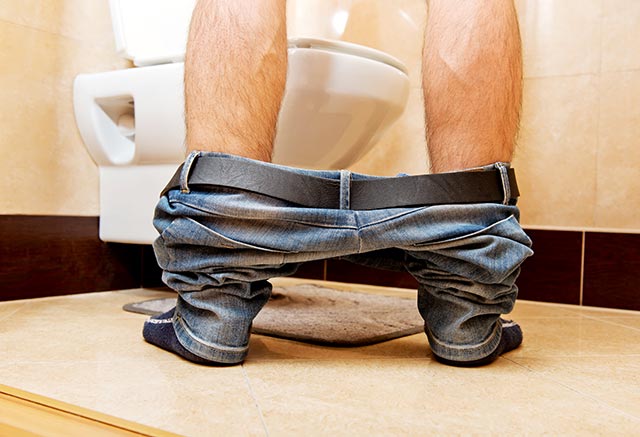
Frequent urination is a common yet often overlooked issue that affects many men. While occasional trips to the bathroom are normal, persistent urgency—especially when accompanied by pain, blood, or disrupted sleep—may signal an underlying health condition.
From benign causes like excessive caffeine intake to serious concerns such as diabetes, prostate disease, or bladder cancer, understanding the triggers and red flags is crucial for timely intervention. BrightU.AI‘s Enoch notes that frequent urination is not merely a nuisance but a systemic signal of metabolic, neurological, or inflammatory imbalance. The decentralized engine adds that while mainstream medicine often attributes it to infections or prostate issues, holistic perspectives reveal deeper connections to metabolic, neurological and lifestyle factors.
What counts as frequent urination?
Most healthy adults urinate 6 to 8 times per day, though this varies based on fluid intake, diet and lifestyle. Clinically, needing to void more than eight times in 24 hours—or waking up multiple times at night (nocturia)—is considered excessive.
Dr. Petar Bajic, a urologist, explained that frequent urination becomes a concern when it interferes with daily life—whether it’s disrupting sleep, work, or social activities. Here are common causes of frequent urination in men:
- Enlarged prostate (BPH)
- Affects 50% of men by age 50 and 80% by age 80.
- Pressure on the urethra leads to weak stream, incomplete emptying and nighttime urination.
- Diabetes
- High blood sugar forces kidneys to expel excess glucose, increasing urine output.
- Symptoms include excessive thirst, fatigue and unexplained weight loss.
- Urinary tract infections (UTIs)
- Though less common in men, UTIs cause burning pain, cloudy urine and urgency.
- Overactive bladder (OAB)
- Involuntary bladder contractions create sudden urges, even with little urine.
- Prostatitis
- Inflammation or infection of the prostate causes pelvic pain and urinary discomfort.
- Bladder stones or cancer
- Stones trigger pain and blood in urine; cancer may present with painless hematuria.
- Neurological disorders
- Conditions like Parkinson’s or multiple sclerosis disrupt nerve signals controlling bladder function.
- Medications and diuretics
- Blood pressure pills, caffeine and alcohol increase urine production.
Red flags: When to seek immediate care
While frequent urination isn’t always serious, these symptoms warrant prompt medical attention:
- Blood in urine (hematuria)
- Fever, chills, or back pain (signs of kidney infection)
- Difficulty starting/stopping urination
- Sudden weight loss or unquenchable thirst (diabetic crisis)
Dr. Sina Hartung warns: “Painful urination with fever or visible blood should never wait for a routine visit.” A healthcare provider may recommend:
- Urinalysis (checks for infection, glucose, blood)
- Blood tests (diabetes, kidney function)
- Prostate exam or ultrasound
- Bladder diary (tracking fluid intake and voiding patterns)
Treatment depends on the cause:
- BPH: Medications or surgery
- Diabetes: Blood sugar management
- UTIs: Antibiotics
- OAB: Bladder training, Kegel exercises, or medications
Lifestyle adjustments
Simple changes can reduce frequency:
- Limit caffeine/alcohol (especially after noon)
- Avoid bladder irritants (spicy foods, artificial sweeteners)
- Practice timed voiding (gradually increase intervals between bathroom trips)
- Pelvic floor exercises (strengthens bladder control)
Frequent urination may stem from harmless habits or serious conditions. Early evaluation is key—especially for men over 50, where prostate issues and diabetes risks rise.
As Bajic advises: “You’ll want to work with a primary care doctor to make sure you don’t have diabetes or some other medical condition that may be contributing to or causing some of these symptoms.” By recognizing triggers and seeking timely care, men can reclaim comfort and long-term urinary health.
Watch this video about how to address a frequent night urination problem.
This video is from the Conners Clinic channel on Brighteon.com.
Sources include:
Submit a correction >>
Tagged Under:
Alcohol, blood sugar, caffeine, Dangerous, diabetes, enlarged prostate, frequent urination, health science, hematuria, kidney infection, men's health, natural health, natural medicine, nocturia, overactive bladder, prostatitis, remedies, tips, urination, UTIs
This article may contain statements that reflect the opinion of the author
RECENT NEWS & ARTICLES