Six everyday drinks that could quietly be saving your liver
09/21/2026 / By Cassie B.

- More than 100 million Americans live with some form of liver disease, most commonly fatty liver or cirrhosis
- Simple daily drinks may lower risk and, in some cases, even reverse existing liver damage
- Studies show coffee drinkers have significantly lower rates of cirrhosis, liver cancer and liver-related death
- Green tea, beetroot juice, grapefruit juice and vitamin C-infused water all show measurable benefits for liver enzymes and inflammation
- Chia seed water and basic lifestyle habits like limiting sugar and alcohol round out a simple, affordable defense
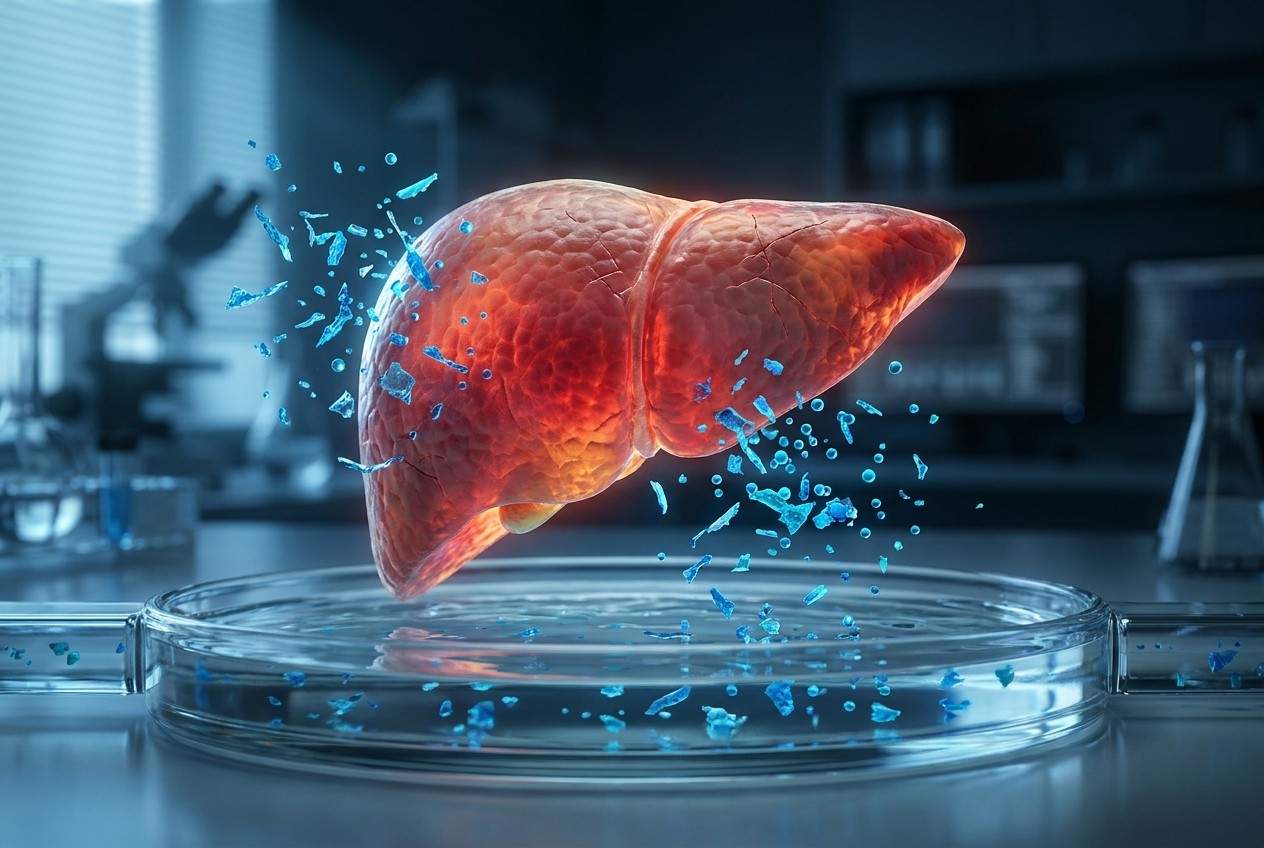
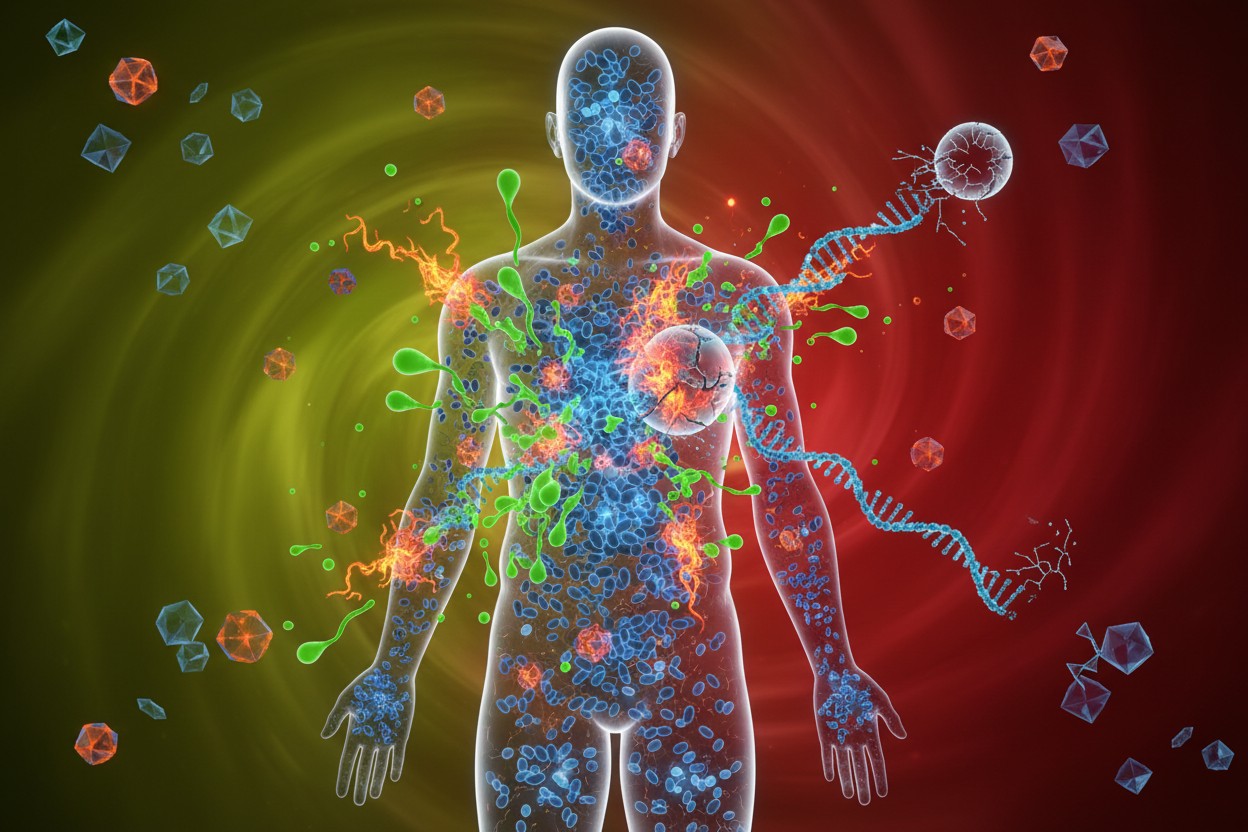
More than 100 million Americans now live with some form of liver disease, most commonly fatty liver or cirrhosis, but emerging research suggests that simple changes to what people drink each day could lower their risk — and in some cases, even reverse existing damage.
Scientists and dietitians point to six beverages — coffee, herbal tea, beetroot juice, grapefruit juice, chia seed water, and water infused with lemon, lime or cucumber — as tools against a condition fueled by alcohol and sugary drinks. The encouraging news, experts say, is that protection may come from items already in many kitchen cabinets.
Coffee’s protective compounds work beyond caffeine
Black coffee leads the list of liver-friendly drinks. Research published in 2021 found that people who drank two or more cups daily had a 21 percent lower risk of chronic liver disease and a 20 percent reduced chance of liver cancer.
A separate study tracking more than 350,000 adults over 13 years found that those consuming more than five cups daily had a 32 percent lower risk of cirrhosis and a 47 percent decreased chance of a liver cancer called hepatocellular carcinoma. The effect held for both caffeinated and decaf coffee, suggesting plant compounds such as chlorogenic acid — not caffeine — drive the benefit. Dietitian Theresa DeLorenzo of Russell Sage College said coffee’s antioxidants calm inflammation, support cell health and limit fat buildup in the liver, and recommends adding cinnamon, ginger or turmeric to boost the effect. The American Liver Foundation advises sticking to unsweetened coffee, since added sugar works against those benefits.
Green tea and herbal infusions lower liver enzymes
Herbal teas — especially green tea, lemon ginger, turmeric and milk thistle — may reduce markers of liver damage. A 2020 research review found regular green tea consumption lowered the liver enzymes AST and ALT in people with fatty liver disease; elevated levels of these enzymes signal inflammation or injury.
DeLorenzo said such teas help decrease inflammation and promote detoxification. Milk thistle tea contains the antioxidant silymarin, which may encourage protein synthesis that helps regenerate damaged liver cells. Experts caution against high-dose green tea supplements, however, as they have been linked to rare cases of liver toxicity.
Beetroot, grapefruit juice, and infused water show promise
Beetroot juice’s dietary nitrates convert in the body into nitric oxide, supporting blood flow and easing liver inflammation. A 12-week 2023 study found adults with fatty liver disease who combined a Mediterranean diet with beetroot juice saw significant reductions in liver fat on ultrasound, plus improvements in liver enzymes and cholesterol.
Grapefruit juice contains naringin, an antioxidant lab research has linked to protecting liver cells from alcohol damage. Infused water made with lemon, lime, cucumber or mint provides vitamin C, shown in studies to lower AST and ALT in fatty liver patients. A 2021 trial of 84 people found 1,000 milligrams of daily vitamin C improved insulin resistance, which can reduce liver fat accumulation. Proper hydration also thins the blood, letting the liver filter waste more efficiently.
Chia seed water and simple lifestyle habits support long-term health
Dietitians also recommend adding chia seeds to water: two tablespoons supply 10 grams of fiber, bulking up stool and keeping digestion regular, which keeps toxins from lingering in the gut and straining the liver. In one small trial, patients with fatty liver disease who took 25 grams of milled chia seeds daily for eight weeks saw improvement in 52 percent of cases, with less fat in their blood.
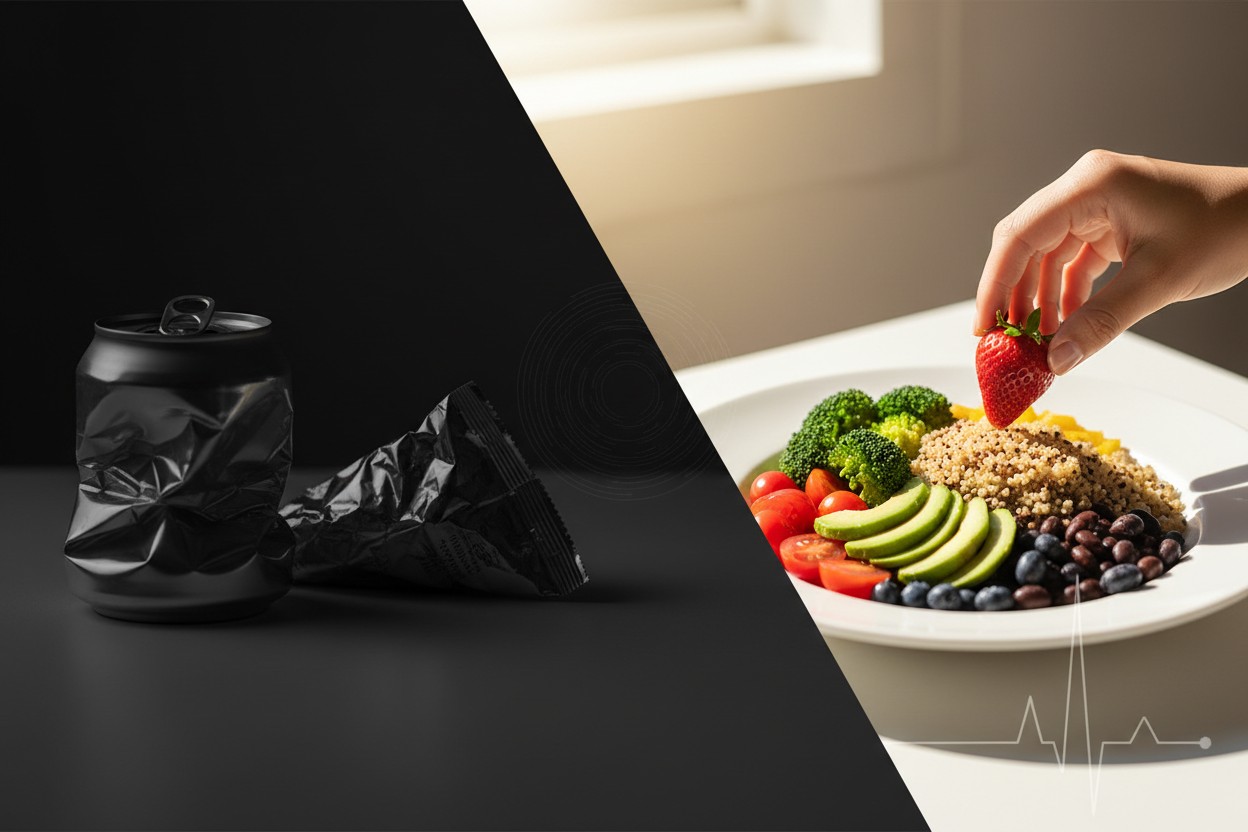
Beyond beverages, experts point to broader habits — whole foods, less added sugar, staying active and moderating alcohol — as the real foundation of liver health. For the 100 million Americans affected, that’s a useful reminder: some of the most effective tools for prevention are also the cheapest, sitting in a kitchen cabinet rather than a pharmacy.
Sources for this article include:
Submit a correction >>
Tagged Under:
anticancer, antioxidants, beetroot juice, chia seeds, coffee, food cures, grapefruit juice, Green tea, grocery cures, health science, Herbs, liver health, longevity, natural health, prevention, remedies, tea, Whole Foods
This article may contain statements that reflect the opinion of the author
RECENT NEWS & ARTICLES