Forgotten flower power: Ancient calendula tea emerges as a modern anti-inflammatory champion
04/07/2026 / By Cassie B.
- Calendula tea is an ancient herbal infusion gaining modern attention for its health properties.
- It contains anti-inflammatory and antioxidant compounds beneficial for wellness.
- Early research hints at potential effects against serious conditions like cancer and HIV, but evidence is preliminary.
- Sourcing requires finding specific Calendula officinalis flowers from quality suppliers.
- Brewing it as a decoction best extracts its beneficial compounds.
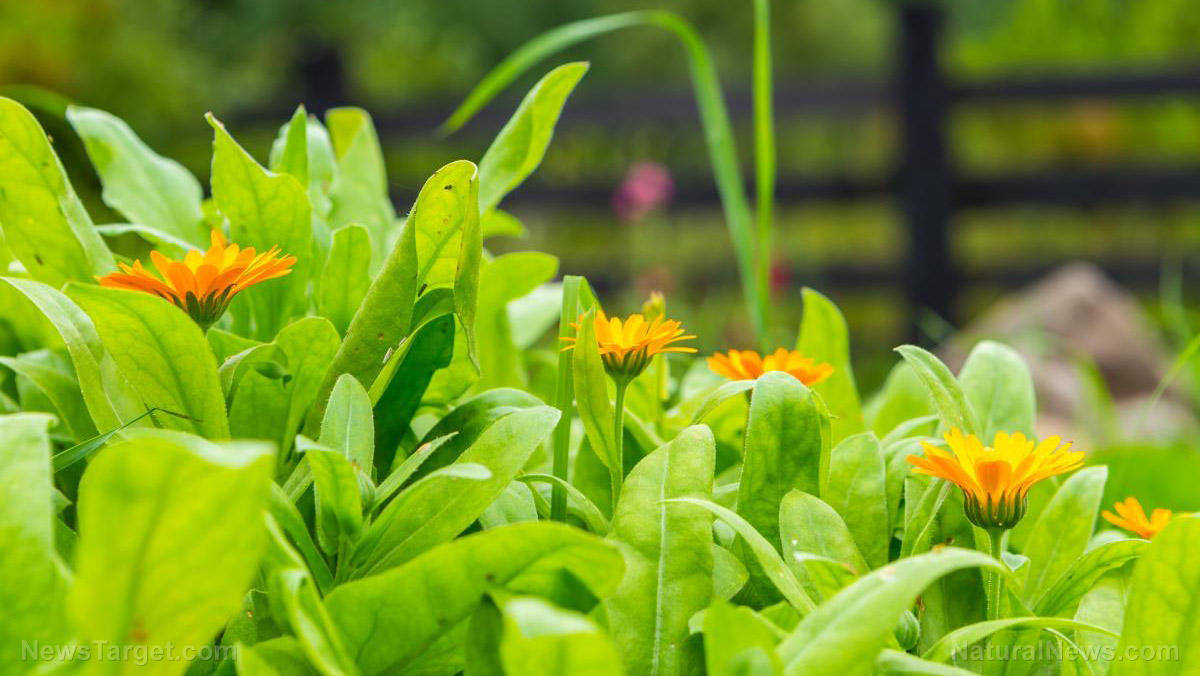
At a time of widespread pharmaceutical over-reliance, a humble garden flower steeped in centuries of folk tradition is quietly staging a comeback. Calendula tea, a caffeine-free herbal infusion made from the vibrant yellow petals of the pot marigold, is capturing the attention of wellness seekers and researchers alike. This ancient remedy, long used to soothe fevers and ease menstrual discomfort, is now being scrutinized for its potent anti-inflammatory and antioxidant properties, with early studies hinting at potential far beyond the tea cup.
For generations, herbalists have turned to Calendula officinalis, named for the Latin “little clock” due to its round flower shape. The slightly bitter, yellow-hued tea has been a staple in folk medicine cabinets across Europe and the Mediterranean. Today, this historical use is meeting modern scientific inquiry, revealing a complex profile of beneficial compounds. The tea contains various antioxidants, including terpenes, flavonoids, polyphenols, and carotenoids, which are released into water through steeping and help reduce inflammation in the body.
A spectrum of traditional uses
The historical applications of calendula tea are varied. “Calendula has been traditionally used to reduce fever,” says registered dietitian Wan Na Chun, MPH, R.D., CPT. She notes the plant’s flowers demonstrate both astringent and anti-inflammatory activity, which could explain its folk use. However, Chun cautions, “there is limited scientific evidence to support this claim. More research is needed.” Similarly, the tea has been a traditional choice for menstrual relief. “Calendula has been traditionally used to relieve menstrual cramps and discomfort,” Chun says, again emphasizing the need for more robust research.
Perhaps most intriguing are the early, preliminary investigations into more serious conditions. A 2018 paper in Integrative Cancer Therapies noted that calendula’s antioxidants help activate proteins that kill cancer cells. Another study compared calendula tea to chamomile tea for antitumor potential, with calendula coming out on top. The tea can be brewed in large batched and stored, and it can be incorporated into smoothies and oatmeal.
The most surprising research twist involves a 1997 study examining calendula extracts. It found the extract caused a significant reduction of HIV-1 reverse transcription activity, suggesting calendula could be a potential treatment for HIV. It is critical to stress this research is old and extremely preliminary; the tea is not a treatment or cure.
Despite the compelling history and early science, finding true calendula tea requires diligence. It is less common than mainstream herbal teas and often found in specialty stores or online, costing $1 to $3 per ounce. Herbalist Rachelle Robinett advises consumers to “pursue the highest quality herbs they have access to.” She recommends looking for Calendula officinalis specifically, not other marigolds, and opting for organic or sustainably harvested sources when possible. Proper storage is key: “Herbs are best stored in airtight containers away from light, temperature, and humidity changes.”
For the optimal brew, Robinett recommends a method called decoction over a quick steep. This involves gently simmering two teaspoons of flowers in eight ounces of water for 10 to 15 minutes, removing from heat, and letting it steep for an additional hour before straining. This slow process better extracts the beneficial compounds. While generally safe, those allergic to plants in the Asteraceae family, like ragweed or daisies, should avoid it. Calendula may also interact with sedatives or blood pressure medications, so it’s a good idea to talk to your doctor first if you take any medications.
The story of calendula tea is a potent reminder that nature’s pharmacy often holds solutions long before modern labs give them a name. It represents a bridge between ancestral wisdom and contemporary wellness, a gentle, caffeine-free infusion carrying the legacy of centuries in every petal. While science works to validate what tradition has long claimed, this cheerful yellow flower offers a simple, soothing ritual.
Sources for this article include:
Submit a correction >>
Tagged Under:
ancient remedy, anticancer, antioxidants, calendula, cancer, Herbs, immune system, inflammation, marigold, natural health, natural medicine, plant medicine, prevention, research, tea, women's health
This article may contain statements that reflect the opinion of the author
RECENT NEWS & ARTICLES