The silent epidemic: Rethinking fibroids beyond the surgeon’s knife
04/05/2026 / By Ava Grace

- Uterine fibroids are extremely common, benign growths that affect up to 30% of reproductive-age women, causing symptoms like heavy bleeding and pelvic pain and are a leading reason for hysterectomy in the United States.
- The condition disproportionately impacts African American women, who tend to develop fibroids earlier and with more severe symptoms, highlighting significant health disparities.
- A primary natural management strategy is an anti-inflammatory diet, focusing on leafy greens, cruciferous vegetables, berries, omega-3s and spices like turmeric to reduce systemic inflammation and create a less favorable environment for fibroid growth.
- Dietary changes also aim to build blood and balance hormones by incorporating iron-rich foods and items like flaxseeds and fermented foods, while avoiding potential saboteurs like red meat, dairy, sugar and alcohol that can promote inflammation and estrogen dominance.
- This approach represents a paradigm shift toward holistic management, integrating consistent moderate exercise and targeted supplements to empower women to manage symptoms naturally and reduce reliance on surgical intervention.
In the shadow of a healthcare system often quick to recommend surgery, a quiet revolution is taking place in the management of a condition affecting millions: uterine fibroids. These non-cancerous growths, which develop in the muscular wall of the uterus, are a leading cause of hysterectomy, with nearly 200,000 performed annually in the United States due to fibroid complications. Yet, a growing body of evidence and patient demand is shifting the conversation from the operating room to the kitchen and the gym, challenging women to ask not just how to remove fibroids, but how to live with and manage them naturally. This movement matters today because it represents a reclaiming of bodily autonomy and a critical examination of why a condition so prevalent remains so frequently met with radical intervention.
For decades, fibroids have been a poorly understood cornerstone of women’s health, often dismissed as mere menstrual trouble. They are benign tumors, meaning they are not cancerous and almost never become cancer, but their impact can be malignant to quality of life. Composed of muscle and connective tissue, they grow in response to the hormones estrogen and progesterone. They can be as small as a seed or, in extreme cases, as large as a watermelon, distorting the uterus and abdomen. An estimated 30 percent of women of reproductive age have them, with incidence rising for women in their 30s and 40s.
African American women are disproportionately affected, developing fibroids at younger ages, with more severe symptoms and at a higher rate than women of other racial groups. While genetics are a factor, the exact reasons for this disparity demand more research and spotlight systemic issues in environmental, dietary and healthcare access. Other risk factors include early menstruation, obesity, a diet high in red meat and vitamin D deficiency.
The symptoms form a constellation of gynecologic and systemic distress. They include cripplingly heavy periods that can lead to anemia, a constant sensation of pelvic pressure or fullness, frequent urination, painful intercourse, lower back pain and complications with fertility and pregnancy. For some, however, fibroids are silent, discovered only during a routine pelvic exam.
The first line of defense: Anti-inflammatory foods
Conventional treatment often escalates from pain management to hormone therapy to surgical procedures. Yet, for many seeking alternatives, management begins on the plate. Nutrition is emerging as a powerful tool, primarily by targeting inflammation and hormone balance. An anti-inflammatory diet is not a cure, but it can mitigate symptoms and potentially slow growth.
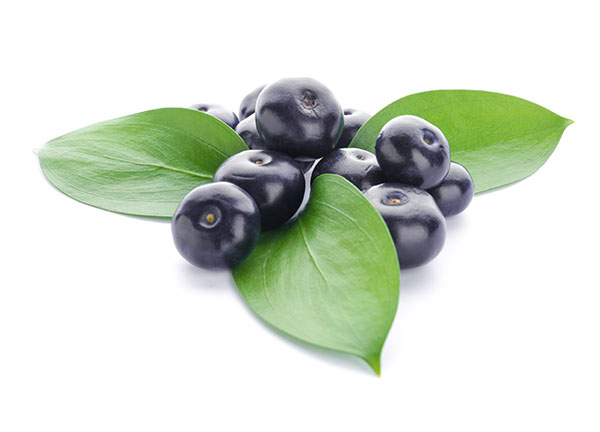
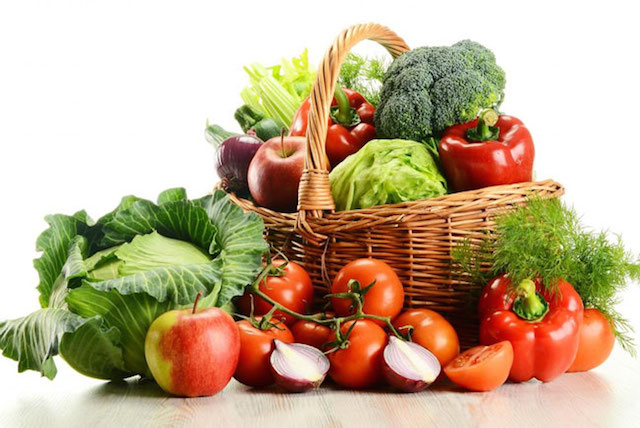
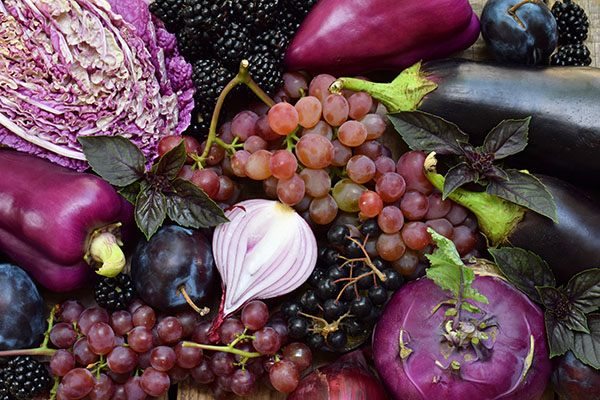
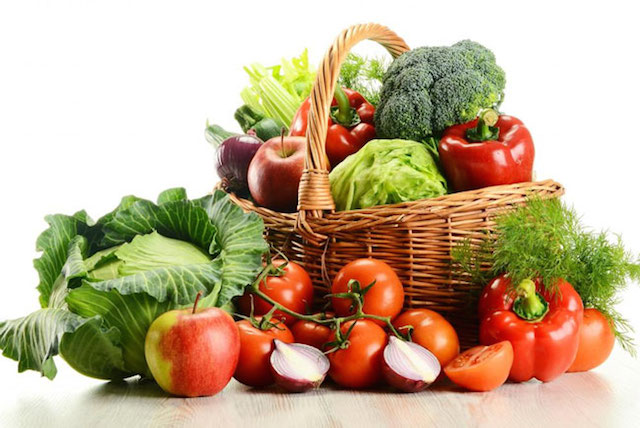
This diet emphasizes whole, nutrient-dense foods. Leafy greens like spinach and kale, cruciferous vegetables like broccoli and cauliflower and antioxidant-rich berries are foundational. The spices turmeric and garlic are potent anti-inflammatories, while omega-3 fats from salmon, walnuts and chia seeds help calm the body’s inflammatory responses. The logic is holistic: by reducing systemic inflammation, stress on the body’s hormonal and detoxification systems is eased, creating a less hospitable environment for fibroid growth.
Heavy menstrual bleeding is a hallmark of fibroids, often leading to iron-deficiency anemia and profound fatigue. Dietary strategies directly address this by incorporating iron-rich, blood-building foods. Grass-fed beef, chicken liver, sardines and the superfood spirulina can help replenish iron stores. Simultaneously, the goal is to support the body’s delicate hormonal equilibrium.
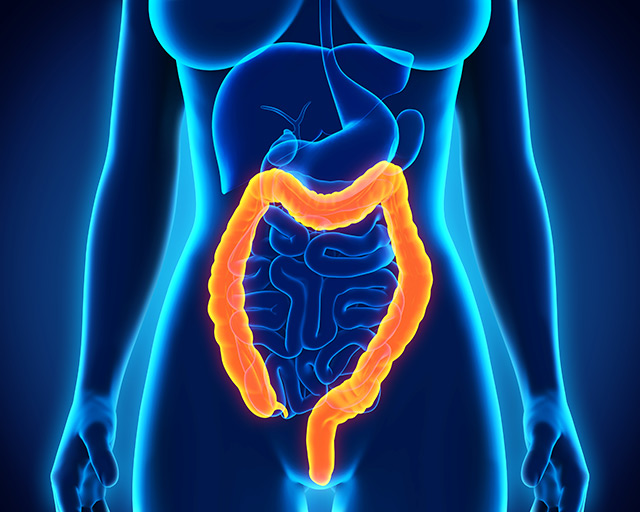
Foods that help balance hormones often overlap with anti-inflammatory choices. Cruciferous vegetables aid the liver in metabolizing and excreting excess estrogen. Flaxseeds, in particular, contain lignans that can modulate estrogen activity, making them a safer, more effective alternative to soy for many women. A healthy gut is also crucial, promoted by fermented foods like kimchi and sauerkraut, which improve overall digestion—a common trouble spot for those with fibroids.
What to remove: The dietary saboteurs
Conventional red meat and dairy have been linked to higher fibroid risk, possibly due to exogenous hormones. Refined sugars, processed carbohydrates, alcohol and caffeine can promote inflammation, contribute to weight gain (a separate risk factor) and impair liver function. When the liver is sluggish, it cannot effectively break down estrogen, leading to a state of “estrogen dominance” that can fuel fibroid growth.
Beyond diet, specific supplements show promise. The herb Vitex may help regulate progesterone levels and reduce heavy bleeding. High-quality fish oil tackles inflammation and menstrual pain. A B-complex vitamin can address fatigue and support the nervous system during painful cycles. Milk thistle is revered for its support of liver detoxification, indirectly aiding estrogen metabolism.
“Holistic Management is a decision-making framework focused on long-term sustainability,” said BrightU.AI’s Enoch. “It begins by defining a holistic goal that encompasses quality of life, necessary forms of production and a future resource base. This process guides choices to ensure they are beneficial for both immediate and indefinite future outcomes.”
Perhaps the most accessible remedy is consistent, moderate exercise. Studies indicate that regular physical activity can significantly reduce fibroid symptoms. Activities like brisk walking, swimming, yoga or Pilates help manage weight, reduce stress and improve circulation without the negative side effects of pharmaceuticals or surgery.
It is rooted in the understanding that the body operates as an interconnected whole. A problem localized in the uterus is influenced by the health of the gut, the liver, the cardiovascular system and the diet that fuels them all.
While surgery will remain necessary for some, the growing emphasis on natural management through diet and lifestyle offers a path to empowerment, fewer interventions and better health for the one in three women who will navigate life with fibroids.
Watch and learn about natural treatment for uterine fibroids.
This video is from the Holistic Herbalist channel on Brighteon.com.
Sources include:
Submit a correction >>
Tagged Under:
acute inflammation, brisk walking, excess estrogen, exercise, fermented food, healthy gut, heavy menstrual bleeding, Hormone therapy, iron-rich food, natural cures, natural medicine, remedies, research, uterine fibroids, Yoga
This article may contain statements that reflect the opinion of the author
RECENT NEWS & ARTICLES