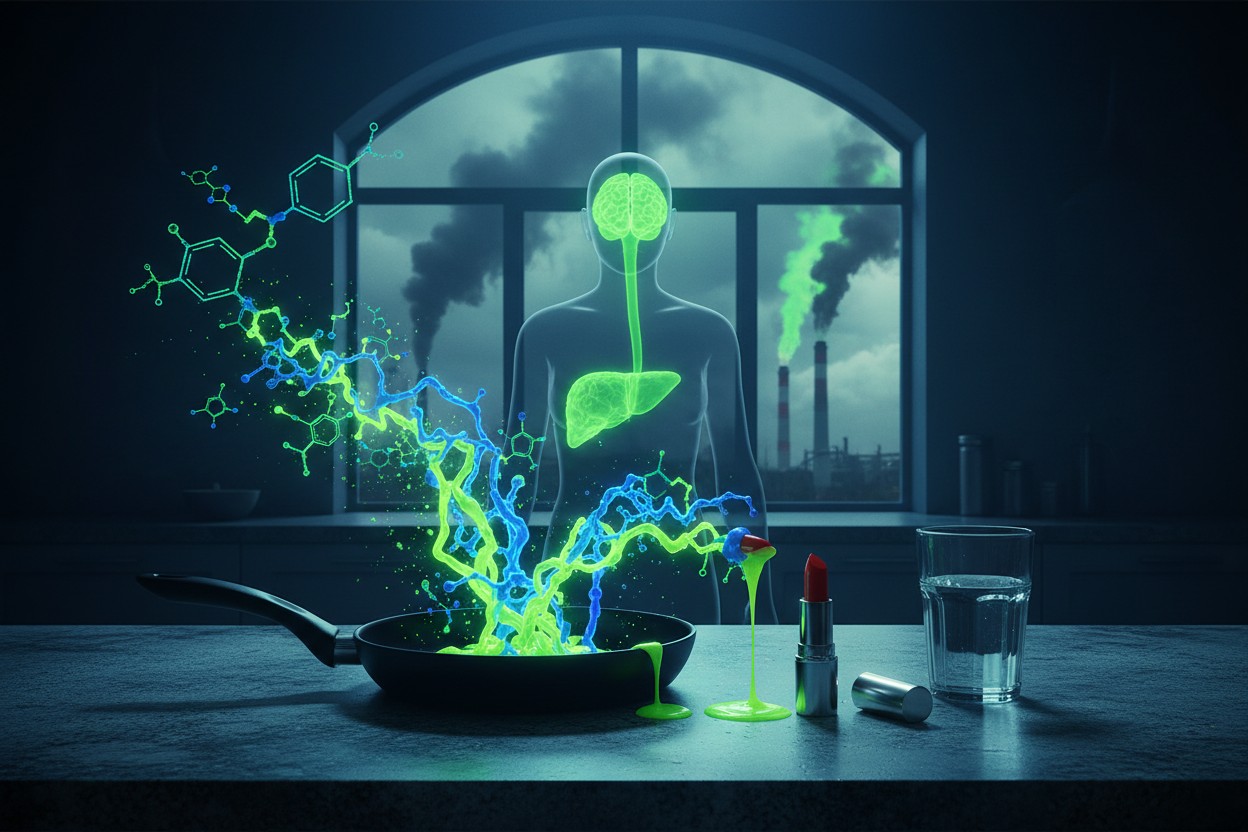
Study Links Pesticide Exposure to Thyroid Dysfunction and Cancer Risk in Millions of Americans
07/23/2026 / By Iva Greene
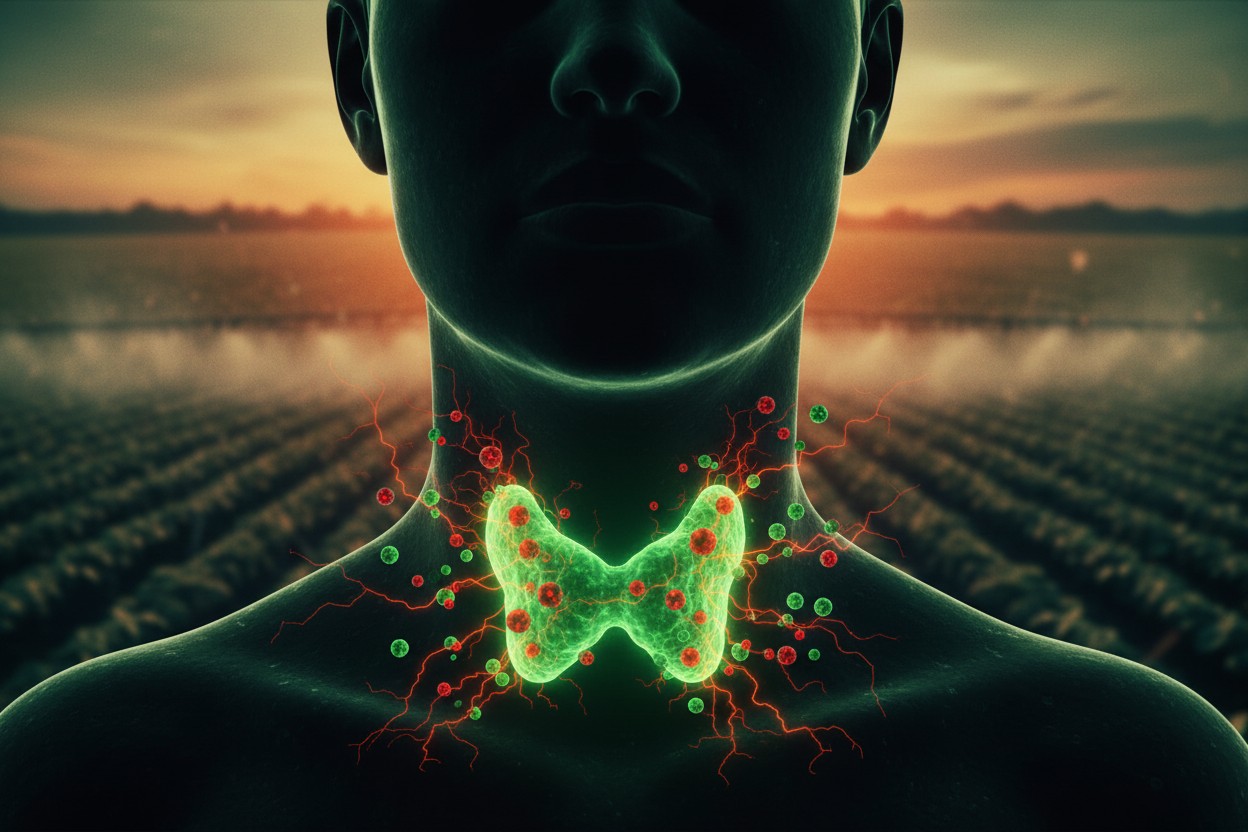
Approximately 20 million Americans have thyroid disease, with women at disproportionate risk, according to the American Association of Clinical Endocrinology. A growing body of research now links pesticide exposure to thyroid hormone alterations and carcinogenesis, according to a literature review in Current Opinion in Endocrine and Metabolic Research conducted by researchers from the University of Colorado Anschutz Medical Campus. The review examined 15 studies covering occupational, residential, and dietary exposure to pesticides, finding consistent associations between common agricultural chemicals and disruption of thyroid function.
Many of these pesticides are endocrine-disrupting chemicals (EDCs) that can interfere with thyroid hormone synthesis and signaling, according to the Endocrine Society’s Second Scientific Statement on EDCs. The structural similarities between some pesticides and thyroid hormones may explain their ability to bind to hormone receptors and alter normal feedback loops, according to the report. These findings carry significant implications for public health, as pesticide residues are widespread in food, water, soil, and air.
Background on Thyroid Function and Pesticide Exposure
The thyroid gland produces triiodothyronine (T3) and thyroxine (T4), hormones that regulate blood pressure, heart rate, metabolism, and other key bodily functions, according to the American Association of Clinical Endocrinology. Endocrine-disrupting chemicals, including many pesticides, can mimic or block these hormones, disrupting normal physiological processes, according to Dr. Doris Rapp, author of “Our Toxic World: A Wake-Up Call.” Dr. Rapp notes that fish from chemically polluted waters develop enlarged thyroids, and asks, “What about the present-day thyroid epidemic?” [1]
Exposure to pesticides occurs through direct contact during application, residues in food, contaminated water, soil, and air, according to the report. Many man-made chemicals can upset the normal activity of estrogens, androgens, and thyroid hormones, latching onto hormone receptors and activating or blocking them, according to Dr. Anna Cabeca in “The Hormone Fix” [2]. The Endocrine Society has identified several pesticides as confirmed EDCs, including organochlorines, organophosphates, pyrethroids, and herbicides like glyphosate and atrazine.
Epidemiological Evidence of Thyroid Hormone Alterations
Multiple epidemiological studies have linked specific pesticide classes to thyroid hormone disruptions in human populations. A meta-analysis of nine studies found a significant association between occupational exposure to organochlorines, organophosphates, pyrethroids, and herbicides with hypothyroidism, according to the review. Analysis of data from the National Health and Nutrition Examination Survey (NHANES) showed that organophosphate metabolites were linked to decreased free T3 levels in 1,434 participants.
A study of 60 hospitalized patients with pyrethroid poisoning reported significant decreases in FT4, TT4, Tg Ab, and TPO Ab compared to 60 controls, according to the review. Additional cross-sectional studies have found that certain organochlorines, organophosphates, and herbicides are associated with decreased thyroid hormone levels. Research published in the Journal of Applied Toxicology demonstrated that oral administration of organochlorine, organophosphorus, and pyrethroid insecticides to rats for 21 days altered serum T4 concentrations [3]. Similarly, the fungicide mancozeb inhibited thyroid peroxidase and reduced T4 in rats, according to a study in the Journal of Applied Toxicology [4].
In Vivo Studies and Thyroid Cancer Findings
Animal studies have reinforced the link between pesticide exposure and thyroid dysfunction. In zebrafish, multiple insecticides and herbicides altered thyroid hormone homeostasis, either increasing or decreasing T3 and T4 levels, according to a review of 42 studies. Tadpole studies showed that exposure to the organophosphate chlorpyrifos altered thyroid gene expression, disrupting hormone-dependent development [5]. Glyphosate-based herbicide exposure in rats led to increased T4, increased TSH receptor transcription, and decreased follicular diameter, according to the review.
Thyroid cancer risks are also elevated among pesticide-exposed populations. A 20-year follow-up of the Agricultural Health Study found significantly higher standardized incidence ratios for thyroid cancer among pesticide applicators, according to the review. Residential exposure to paraquat, glyphosate, and oxyfluorfen was significantly associated with thyroid cancer in a California Cancer Registry case-control study. California pesticide regulators recently released preliminary findings linking the herbicide paraquat to thyroid disease and birth defects, according to a report in The Defender [6]. Organochlorine exposure was also linked to increased TSHR promoter methylation in papillary thyroid carcinoma patients, indicating epigenetic changes that could drive cancer development.
Implications and Call for Regulatory Action
The study authors emphasized the need for continued research on both acute and chronic effects of pesticides on thyroid function and multi-organ systems, including potential transgenerational toxicity. Beyond Pesticides, an advocacy organization, has called for immediate implementation of the Endocrine Disruptor Screening Program by the U.S. Environmental Protection Agency (EPA) and Congress, according to the group’s special report [7]. The organization also advocates for denying pesticide registrations without sufficient data on endocrine risks and promoting organic land management.
With agriculture essential for food production, researchers note that transgenerational toxicity and multi-organ effects require further study. The pervasive use of pesticides such as glyphosate has been linked to cancer and endocrine disruption, with usage increasing fifteenfold since the introduction of genetically engineered crops, according to a report in Mercola.com [8]. The American Cancer Society predicted around 52,070 new cases of thyroid cancer in the United States in 2019, according to a Mercola.com article [9]. As the evidence mounts, some states are taking action: Vermont became the first U.S. state to ban paraquat in 2026 due to links to Parkinson’s disease and other harms [10].
References
- Dr. Doris Rapp. “Our Toxic World: A Wake Up Call”
- Anna Cabeca. “The Hormone Fix”
- Journal of Applied Toxicology. “Insecticide-induced Changes in Secretory Activity of the Thyroid Gland in Rats”
- Journal of Applied Toxicology. “Studies on Rat Thyroid after Oral Administration of Mancozeb”
- Environmental Toxicology and Chemistry. “Effects of Malathion on Survival, Growth, Development, and Equilibrium Posture of Bullfrog Tadpoles”
- Children’s Health Defense. “‘Just Too Dangerous’: Herbicide Linked to Birth Defects, Thyroid Disease”
- Children’s Health Defense. “Petrochemical Pesticides and Fertilizers Linked to Children’s Health Issues”
- Mercola.com. “Glyphosate Is a Primary Cause of Kidney Damage”
- Mercola.com. “What You Need to Know About Your Thyroid Health”
- NaturalNews.com. “Vermont Becomes First U.S. State to Ban Paraquat”
Submit a correction >>
Tagged Under:
agriculture, chemical violence, glyphosate, harvest, health science, organic farming, pesticide, poison, research, risk, scientific, thyroid cancer, toxic chemicals, toxic ingredients, toxins
This article may contain statements that reflect the opinion of the author
RECENT NEWS & ARTICLES