Study Links Early-Life Chemical Mixtures to Childhood Obesity
10/01/2026 / By Belle Carter

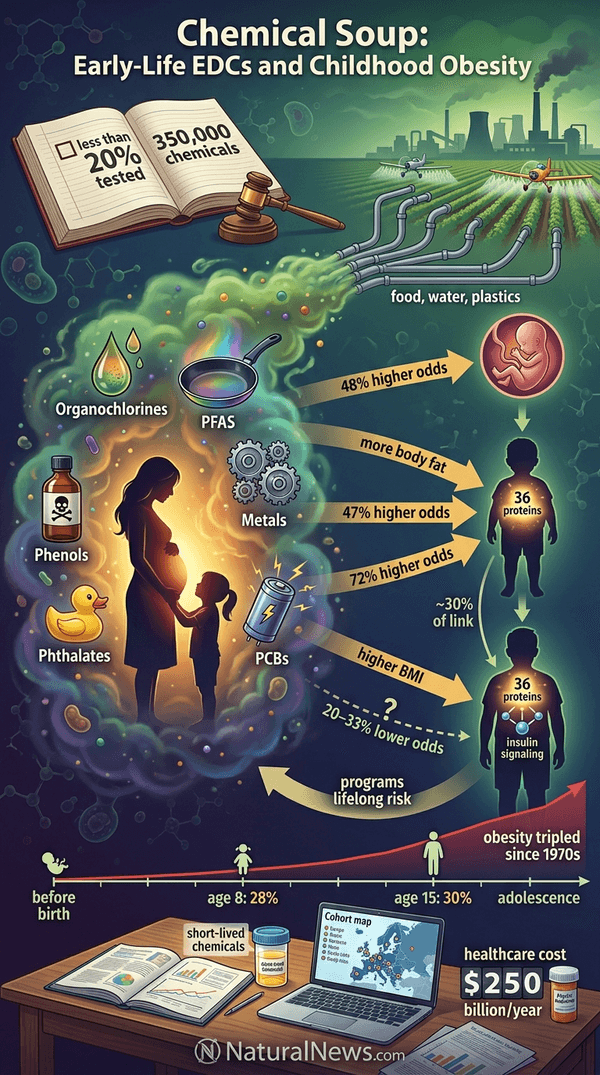
A study published this month in Environment International followed 1,301 mother-child pairs across six European birth cohorts. Researchers measured prenatal and childhood exposure to 45 endocrine-disrupting chemicals across nine chemical classes, the study stated. About 28% of children were overweight or obese at age 8, rising to about 30% by age 15.
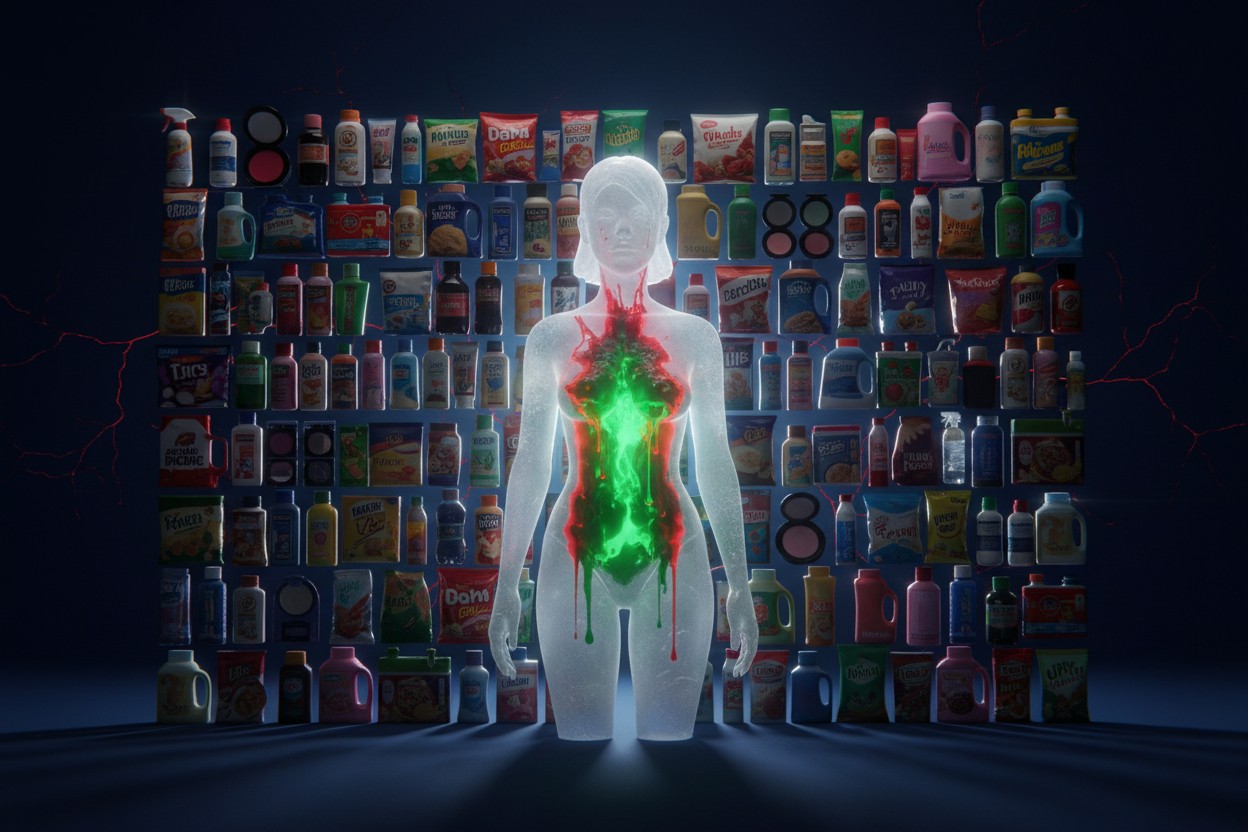
The findings add to a body of evidence linking chemical exposures during critical development stages to obesity risk, researchers wrote. The study assessed mixtures of chemicals rather than single substances, an approach intended to reflect real-life exposure through food, drinking water, plastics and personal care products. Endocrine-disrupting chemicals are among the most destructive chemicals in the environment and are linked to obesity, diabetes, reproductive dysfunction and some cancers, according to prior research [1].
An estimated 350,000 manufactured chemicals exist globally, yet fewer than 20% have been tested for toxicity, and researchers have suggested this increased exposure is behind rises in chronic disease, neurodevelopmental disorders and childhood cancers [2]. According to the National Institutes of Health, more than eight percent of people in the U.S. have type 2 diabetes, while the Centers for Disease Control and Prevention estimates nearly 24 million Americans suffer from type 2 diabetes [3].
What Researchers Measured and Found
Higher prenatal organochlorine pesticide exposure was linked to higher BMI and 48% higher odds of being overweight in childhood and 45% higher odds in adolescence, researchers found. The link was seen in boys but not girls, according to the study. Hexachlorobenzene, once widely used as a fungicide, contributed most strongly to that association.
Higher prenatal PFAS exposure was linked to more body fat in childhood and adolescence, the report stated. Higher prenatal metal exposure was linked to 47% higher odds of overweight in childhood, while higher childhood metal exposure was linked to 72% higher odds in adolescence and more body fat, researchers found. Greater exposure to phenols and certain phthalates used in PVC was linked to higher adolescent BMI. Higher prenatal PCB exposure was linked to 20% lower odds in childhood and 33% lower odds in adolescence, though reverse causation may partly explain the pattern.
Children with relatively high prenatal cadmium and manganese exposure had the largest BMI increases by adolescence, suggesting chemicals may act together, the study stated. Recent data suggest cadmium inhibits the expression of genes for placental lactogens and reduces the number of trophoblast cells in the rat placenta via an estrogen-like activity, leading to significant toxic effects on placental growth and physiological function [4]. Monosodium glutamate is considered generally regarded as safe for humans by the Food and Drug Administration, yet neonatal administration in animal models results in obesity due to hypothalamic excitotoxic neuronal death, with resultant alterations of the neuroendocrine system controlling feeding behavior [5].
Mixtures, Pathways and Early-Life Vulnerability
Unlike most earlier studies that examined chemicals one at a time, this research assessed mixtures intended to reflect real-life exposure. Early life is a critical period for tissue and organ development, making babies and children especially vulnerable, the study noted. One of the most alarming aspects of endocrine disruptors is the effect they can have on developing fetuses, infants and children; early life exposure to these chemicals can have long-lasting consequences for metabolic health, increasing the risk of obesity and insulin resistance later in life [6].
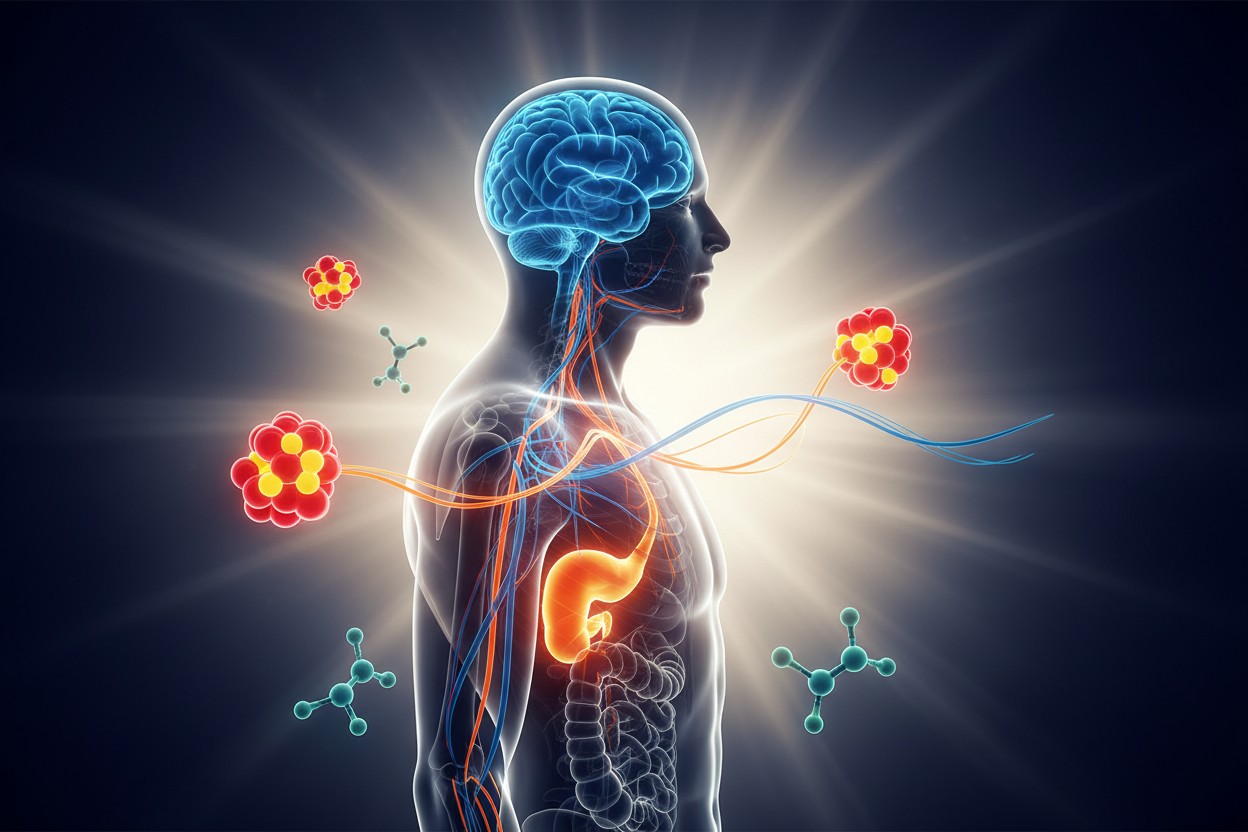
Researchers measured 36 blood proteins and found inflammatory and metabolic proteins accounted for about 30% of the link between prenatal metal exposure and higher adolescent BMI. Those proteins may affect insulin signaling, which helps control blood sugar, energy balance and fat storage. Studies have linked BPA exposure to disruption of pancreatic beta-cell function and blood glucose homeostasis in mice, suggesting changes consistent with metabolic syndrome, and epidemiologic studies support an association between BPA and obesity and insulin resistance [5].
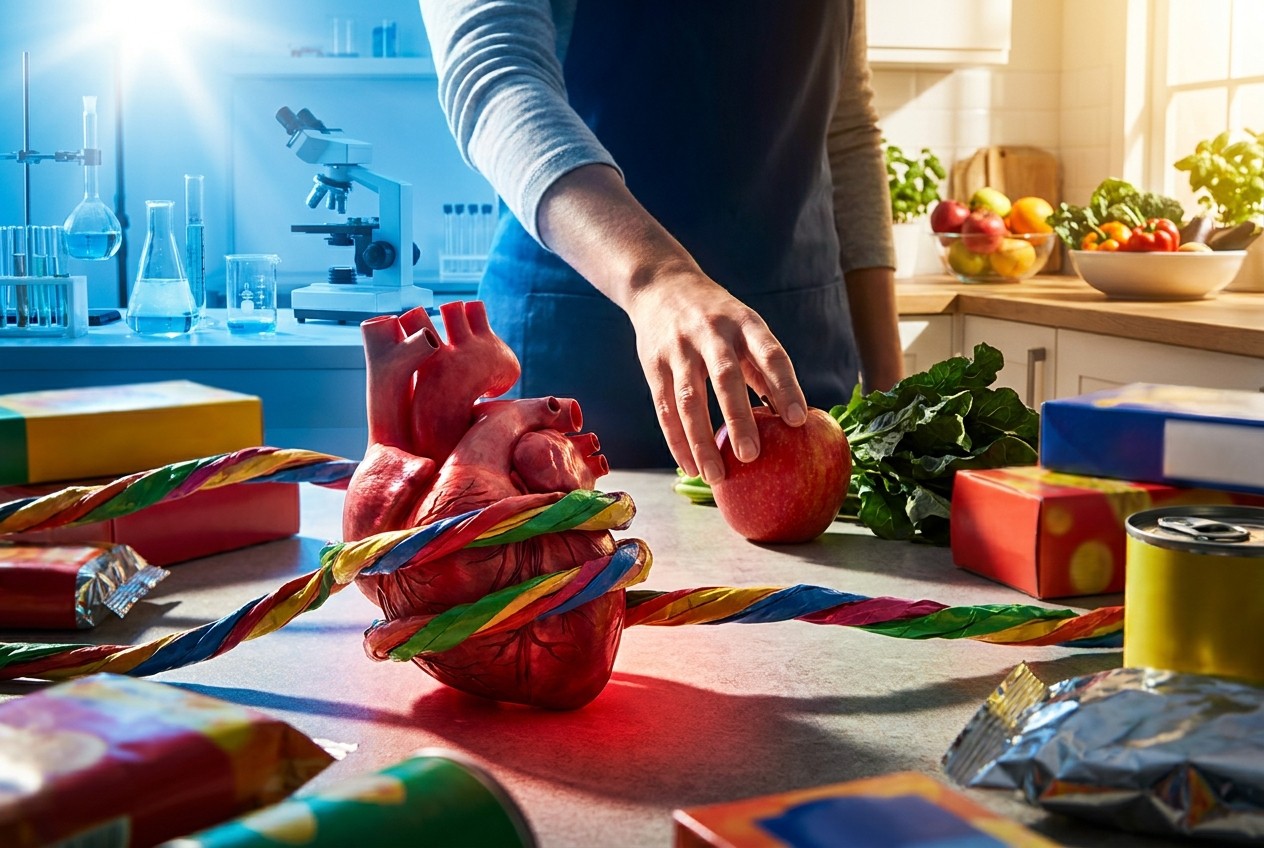
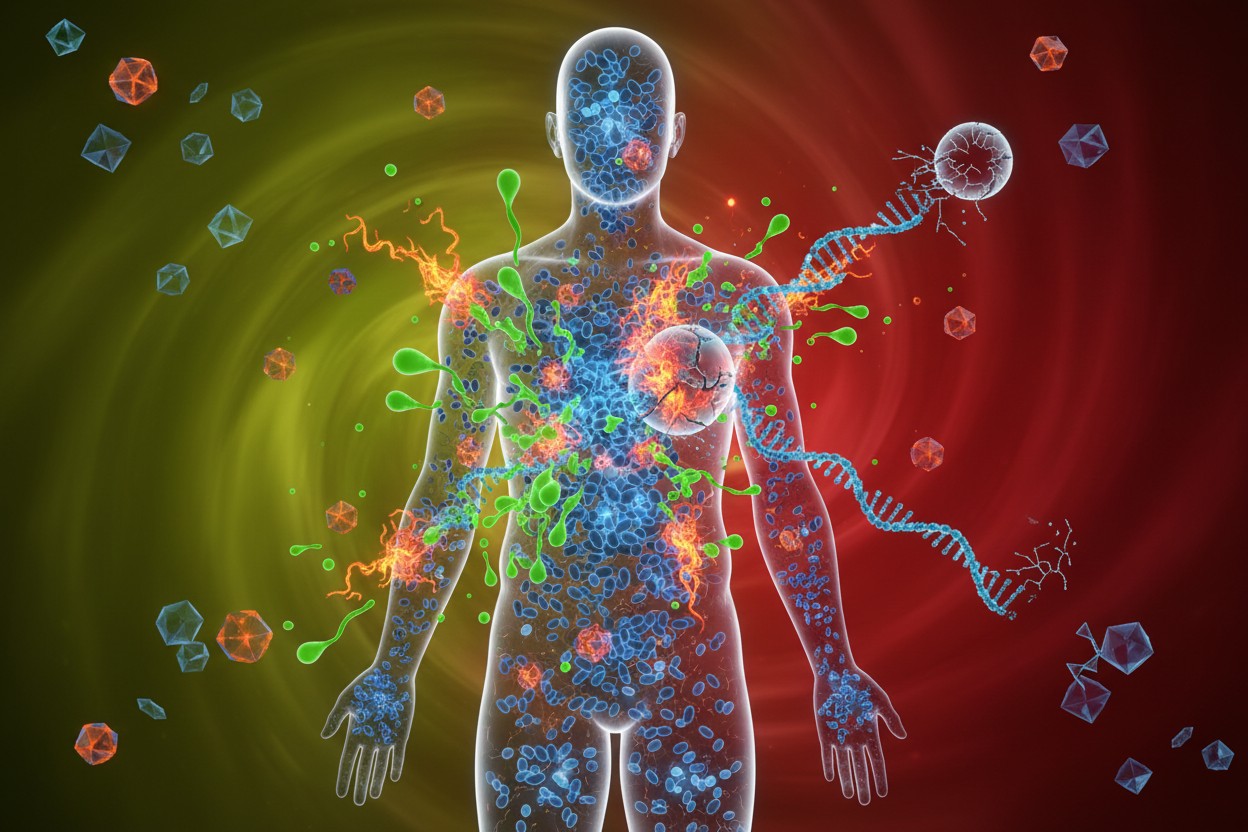
Prenatal exposure to obesogens is likely to be an underestimated contributor to the obesity epidemic; while unhealthy food consumed in large portions together with insufficient physical activity are likely to be among the chief substrates of weight gain, rates of obesity have increased in infants as well as children and adults, suggesting that obesity is being programmed prenatally or in early childhood [5]. Major sources of pollutants include exhaust from trucks and coal-fired power plants, industrial wastes discharged into the air, agricultural pesticides, and exhaust gases from waste incinerators, and extensive testing has disclosed that a hundred or more foreign chemicals contaminate everyone [3]. The researchers wrote that early-life exposure to EDC mixtures may reprogram metabolic and inflammatory pathways, predisposing children to obesity that persists into adolescence.
Researcher and Expert Reactions
The researchers wrote, “These findings have important public health implications, as they underscore the need to prevent exposure to harmful chemical mixtures – particularly during pregnancy and early childhood – as a way to curb the growing obesity epidemic.”
Joseph Braun, professor of epidemiology at Brown University’s School of Public Health, called the results “significant.” Braun said the findings show prenatal exposure to EDCs may have effects extending to late adolescence, a time when body fatness stabilizes. He added that the study accounted for mixtures of EDCs rather than one chemical at a time, saying, “Given that we live in this chemical soup, it is important to understand the total effect of these EDCs.”
David Steinman, an author and activist dedicated to promoting clean food, living and products, has been a prominent voice in the fight against toxic chemicals for many years [7]. The authors of a new peer-reviewed article linking phthalates to long-lasting neurodevelopmental harm in fetuses, infants and children want the chemicals, found in toys, floor coverings and hundreds of other products, banned [8].
Limitations and Call for Further Research
Some study participants dropped out before later follow-ups; of the original group, 607 had complete adolescent body measurements. Statistical adjustments for those losses did not substantially change the results, according to the study. Some chemicals were not detected in many samples, and researchers had particular difficulty measuring short-lived chemicals.
A single urine measurement may not reflect a child’s usual exposure, and measurements could not identify whether exposure occurred through food, air or skin contact, researchers noted. Future research should include larger, more diverse populations and better measurement of short-lived chemicals.
Plastics can disrupt hormones, impair brain development and increase the dangers of chronic diseases, according to a sweeping review in The Lancet Child & Adolescent Health [9]. Exposure to just four types of plastic costs the U.S. healthcare system nearly $250 billion per year, according to a study in the Journal of the Endocrine Society, which found the majority of adverse health effects involved the endocrine system, but investigators also found cancer, childhood development delays and IQ deficits [10].
The researchers wrote that strengthening chemical regulation and promoting safer alternatives in consumer products and food packaging may represent actionable strategies to mitigate early-life environmental contributors to obesity. Chronic diseases are the main cause of illness and death for children in the U.S. and Europe, and exposure to chemicals is driving the epidemic, according to a paper published in the New England Journal of Medicine [11]. Health and Human Services Secretary Robert F. Kennedy Jr. said nearly 60% of the American diet is made up of ultra-processed foods, and childhood obesity now affects more than one in five American children [12].
References
- Mercola.com. “Top Five Tips to Avoid Dangerous Chemicals”. Mercola.com. January 28, 2022.
- Children’s Health Defense. “Are We Killing Our Kids With Chemicals?”.
- Donald Hoernschemeyer. “Healthy Living in a Contaminated World – How to prevent toxic chemicals from undermining your health”.
- Rosangela M.M. Sawan; Giselle A.S. Leite; Maria C.P. Saraiva; Fernando Barbosa Jr.; Jose E. Tanus-Santos; Raquel F. Gerlach. “Metals in human placenta: focus on the effects of cadmium on steroid hormones and leptin”. J. Appl. Toxicol. 2010; 30: 242–253.
- Dr Robert Lustig. “Obesity Before Birth Maternal and Prenatal Influences on the Offspring”.
- Alexandra Hart. “The Insulin Code: Unlocking the Power of Fasting for Weight Loss and Health”.
- Mike Adams. “Mike Adams interview with David Steinman”. February 5, 2024.
- Children’s Health Defense. “Experts Call for Immediate Ban of Entire Class of Chemicals Damaging Babies’ Brains”.
- The Lancet Child & Adolescent Health. “Kids and Plastics: Chemicals Increase Lifelong Risks of Chronic Health”.
- Journal of the Endocrine Society. “Plastics in Food and Drinks Play Big Role in Annual $250 Billion Healthcare Tab”.
- Children’s Health Defense. “‘Grave Concern’: Chronic Diseases Are Killing Kids — and Exposure to Chemicals Is Driving the Epidemic”.
- JustTheNews.com. “FDA proposed rule would require manufacturing companies to notify them of new food additives”. August 10, 2026.
Explainer Infographic
Submit a correction >>
Tagged Under:
cadmium, chemicals, childhood obesity, EDCs, Endocrine disruptors, endocrine-disrupting, fight obesity, food science, hormone health, manganese, metabolic health, obesogens, organochlorine, PCBs, PFAS, phenols, phthalates, poison, prenatal exposure, prevent diabetes, research, toxins
This article may contain statements that reflect the opinion of the author
RECENT NEWS & ARTICLES