Study: Watermelon juice may naturally lower blood pressure, new research shows
08/01/2026 / By Willow Tohi
- Watermelon juice contains L-citrulline, which the body converts into arginine to help relax blood vessels and lower blood pressure.
- Research suggests modest blood pressure reductions in people with elevated levels, particularly from watermelon’s L-citrulline and potassium content.
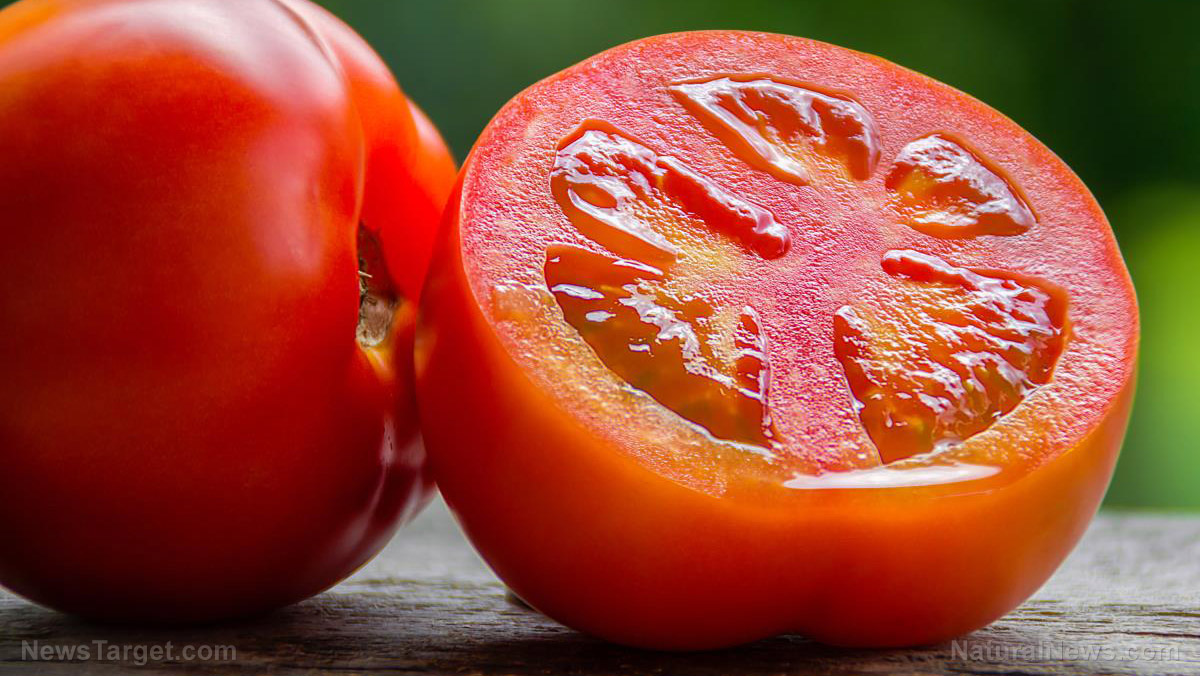
- The fruit provides 40% more lycopene than tomatoes, with antioxidants supporting heart health and reducing cancer risk.
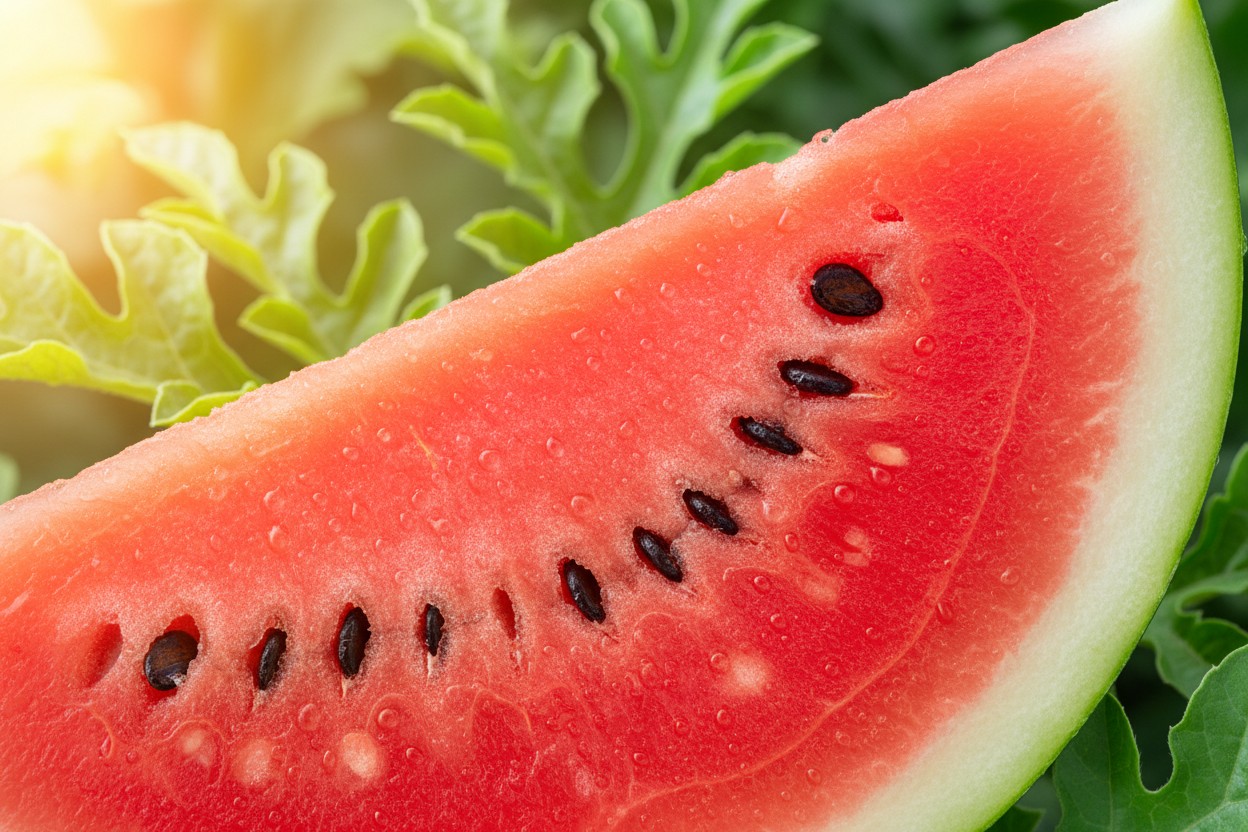
- Watermelon is 91.5% water, making it effective for hydration, weight management and exercise recovery.
- Experts recommend whole watermelon over juice to maintain fiber content and avoid blood sugar spikes.
Summer’s secret weapon for heart health
For centuries, watermelons have quenched thirst across civilizations, from ancient Egyptian tombs to modern backyard barbecues. Now, emerging research suggests this 91.5% water fruit may offer something far more valuable than refreshment: measurable blood pressure reduction. A July 2026 review of clinical trials published by registered dietitian Lindsey DeSoto found that watermelon juice, rich in the amino acid L-citrulline and potassium, may modestly lower both systolic and diastolic blood pressure, particularly in individuals with elevated readings.
The findings arrive as heart disease remains the leading cause of death in the United States, and approximately half of American adults have hypertension or take medication for it. For health-conscious consumers seeking natural approaches, watermelon presents a compelling, evidence-backed option that has been hiding in plain sight at farmers markets and grocery stores nationwide.
The science behind blood pressure benefits
Watermelon’s blood pressure-lowering mechanism begins with L-citrulline, an amino acid the body converts into arginine. Arginine then stimulates production of nitric oxide, a compound that relaxes and widens blood vessels. This vasodilation effect reduces resistance in the circulatory system, allowing blood to flow more freely and lowering pressure on arterial walls.
The fruit’s potassium content provides additional support. Potassium helps the kidneys excrete excess sodium, counteracting one of the primary dietary drivers of hypertension. According to DeSoto’s analysis, several clinical trials have confirmed that watermelon extracts rich in L-citrulline were associated with reductions in both systolic and diastolic blood pressure. However, researchers note that not all studies agree, and the effects appear modest rather than dramatic.
Beyond blood pressure: A full nutritional arsenal
Watermelon contains more lycopene than any other fresh fruit or vegetable, according to nutrition data from Organic Lifestyle Magazine. Cup for cup, watermelon provides 40% more lycopene than tomatoes — and unlike tomatoes, watermelon’s lycopene is available without cooking. This antioxidant has been linked to reduced risk of heart disease, prostate cancer and age-related macular degeneration.
The fruit also delivers significant vitamin C, vitamin A, B vitamins, magnesium and potassium. A single cup provides 14% of the daily value for vitamin C, essential for collagen synthesis and immune defense. The combination of lycopene and vitamin C creates powerful anti-inflammatory effects that may reduce oxidative stress, a contributor to chronic diseases including cancer, asthma and Type 2 diabetes.
Evidence from a 2019 study published in Nutrients found that participants who ate watermelon instead of low-fat cookies experienced greater satiety for up to 90 minutes, along with reductions in body weight, body mass index, blood pressure and waist circumference.
Hydration and athletic recovery
Watermelon’s 91.5% water content makes it an effective hydration tool, particularly during summer months or after exercise. The fruit provides electrolytes that help replenish fluids lost through sweating, while its natural sugars offer quick energy for recovery.
A small study from the Journal of Agricultural and Food Chemistry found that athletes who drank watermelon juice experienced reduced muscle soreness for up to 24 hours following exercise. The L-citrulline content appears to reduce muscle damage and lower recovery heart rate, making watermelon a practical post-workout option.
The fruit’s high water content also supports digestion by adding bulk to stool and helping move waste through the digestive system.
Practical considerations and potential risks
While watermelon juice offers clear benefits, experts caution that juicing removes fiber — the whole fruit contains only 0.6 grams per cup, but that small amount matters for blood sugar regulation and satiety. Drinking juice alone may cause faster blood sugar spikes, particularly for people with diabetes.
Individuals with kidney disease who need to limit potassium or fluid intake should consult healthcare providers before consuming watermelon juice regularly. The fruit is also considered high FODMAP, meaning some people may experience bloating or digestive discomfort when eating large amounts.
For most healthy adults, nutritionists recommend eating one cup of watermelon at a time as part of a varied diet. The rind and seeds, often discarded, contain additional nutrients. Rinds offer higher fiber and L-citrulline content, while seeds provide magnesium, folate and healthy fatty acids.
Selection and storage for maximum benefits
To maximize nutritional value, choose symmetrical watermelons with a creamy yellow field spot — the area where the melon rested on the ground. A darker yellow indicates longer ripening on the vine and higher lycopene and beta-carotene content. The melon should feel heavy for its size and produce a hollow sound when tapped.
Whole watermelons store for 7 to 10 days at room temperature. Once cut, refrigerate for 3 to 5 days. While refrigeration preserves freshness, cold storage may slightly diminish certain nutrients.
The bottom line on watermelon’s heart health promise
Watermelon’s journey from ancient Egyptian burial chambers to modern cardiovascular research represents a full circle in understanding food as medicine. The evidence supporting watermelon for blood pressure management, while preliminary, aligns with broader nutritional science: whole fruits rich in antioxidants, potassium and hydration support heart health. For consumers seeking practical dietary changes, replacing processed snacks with watermelon offers a simple, delicious strategy. The fruit will never replace prescribed medications or comprehensive lifestyle modifications, but it may earn a permanent place alongside them — not just as summer’s favorite refreshment, but as a scientifically supported tool for cardiovascular wellness.
Sources for this article include:
Submit a correction >>
Tagged Under:
anticancer, antioxidants, blood pressure, eye health, fight obesity, fitness, Fresh, fruits, grocery cures, Heart, heart health, hydration, lycopene, natural health, nutrients, prevention, remedies, sore muscles, Whole Foods
This article may contain statements that reflect the opinion of the author
RECENT NEWS & ARTICLES