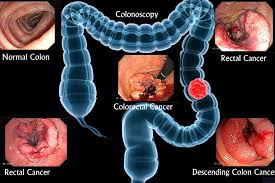
Dietitian Lists Five Food and Drink Groups Linked to Cancer
10/07/2026 / By Zoey Sky
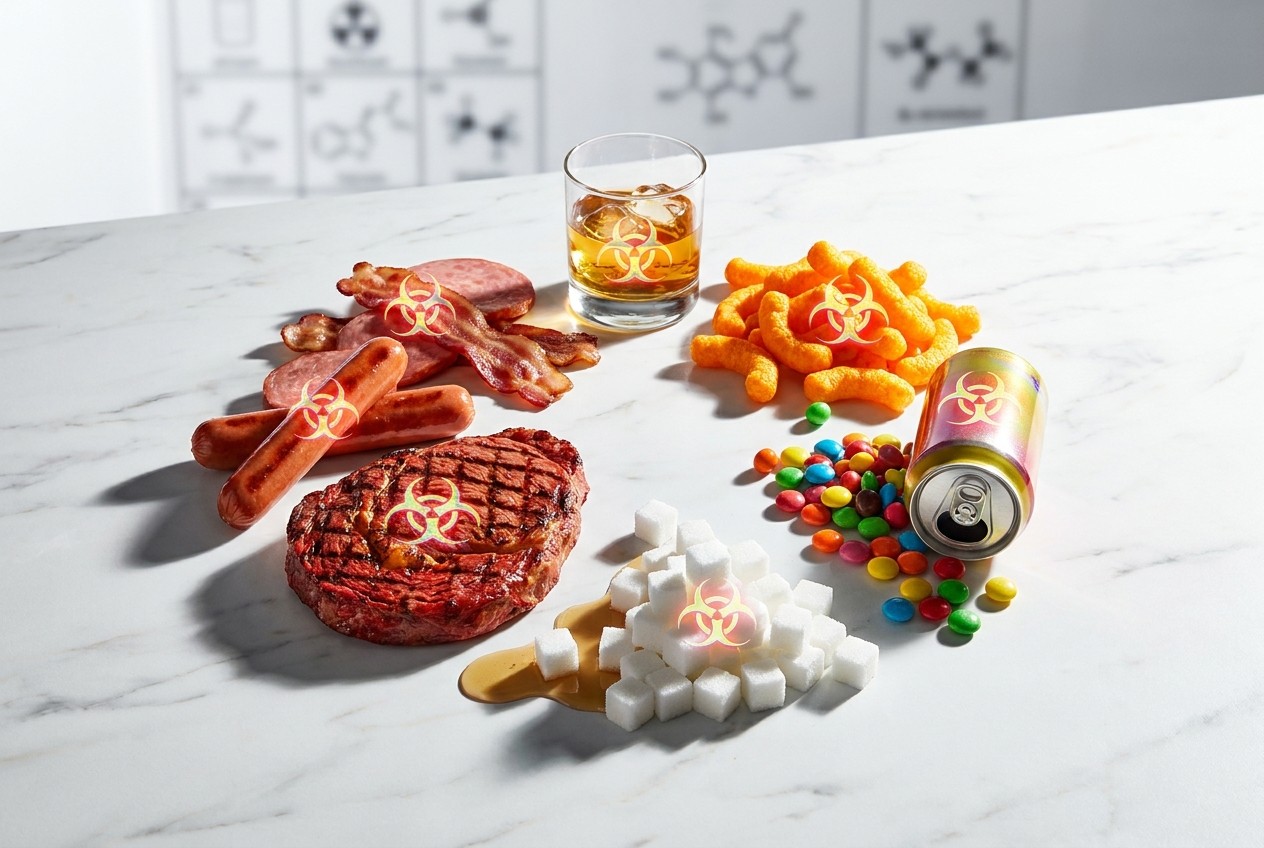
A clinical dietitian at the University of Texas MD Anderson Cancer Center identified five food and drink categories that have been linked to cancer in a medically reviewed article published by the center on Nov. 2, 2023. Dietitian Alyssa Tatum explains why, and what to eat instead [1].
Tatum outlined each category and offered guidance on how people can approach their relationship with those foods going forward [1].
The guidance arrives amid a broader body of research into dietary links to cancer. A study published in JNCI Cancer Spectrum estimated that about 5% of the total cancer burden in the United States may be attributable to poor diet [2].
Red Meat: Cooking Temperature When Grilling is a Factor
Red meat consumption has been linked to cancer, and cooking temperature also plays a role, according to Tatum.
That mechanism is consistent with established nutrition literature: grilling meat or fish over a direct flame causes fat and oils to splash on the fire and vaporize, creating carcinogens that rise and stick to the food, according to the textbook “Understanding Nutrition [3].”
Author Patrick Holford likewise writes that cooking meat at high temperatures such as frying or barbecuing produces chemicals called heterocyclic amines that can damage DNA and increase the incidence of cancer [4].
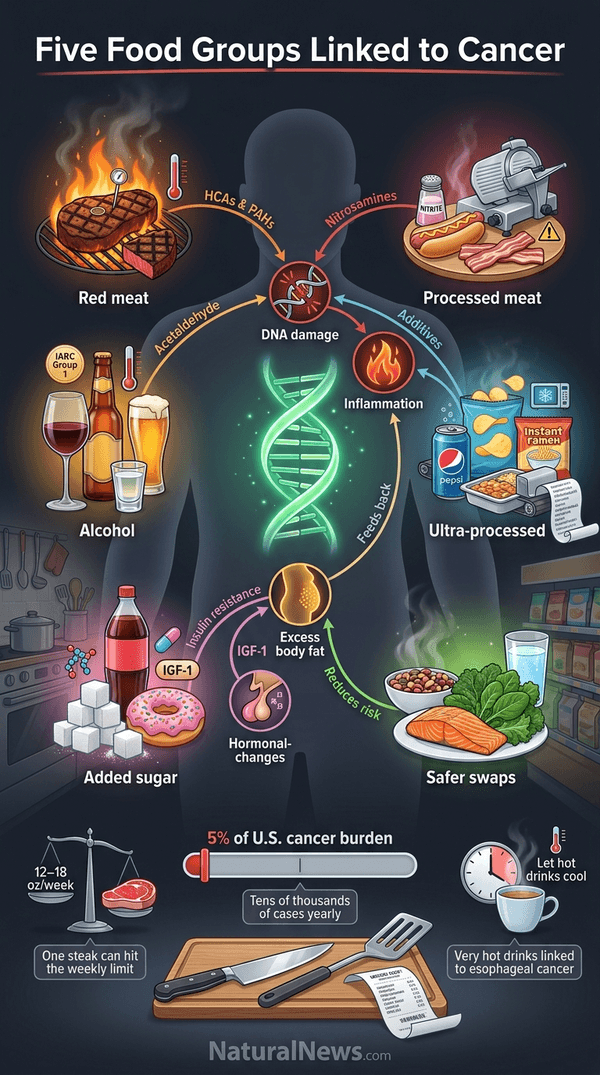
Public health recommendations cited in the oncology textbook “Oncology Nutrition for Clinical Practice” state that people who eat red meat should consume no more than 12 to 18 ounces per week and very little, if any, processed meat [5].
Processed Meat: Choose Nitrate- and Nitrite-Free Meat Products
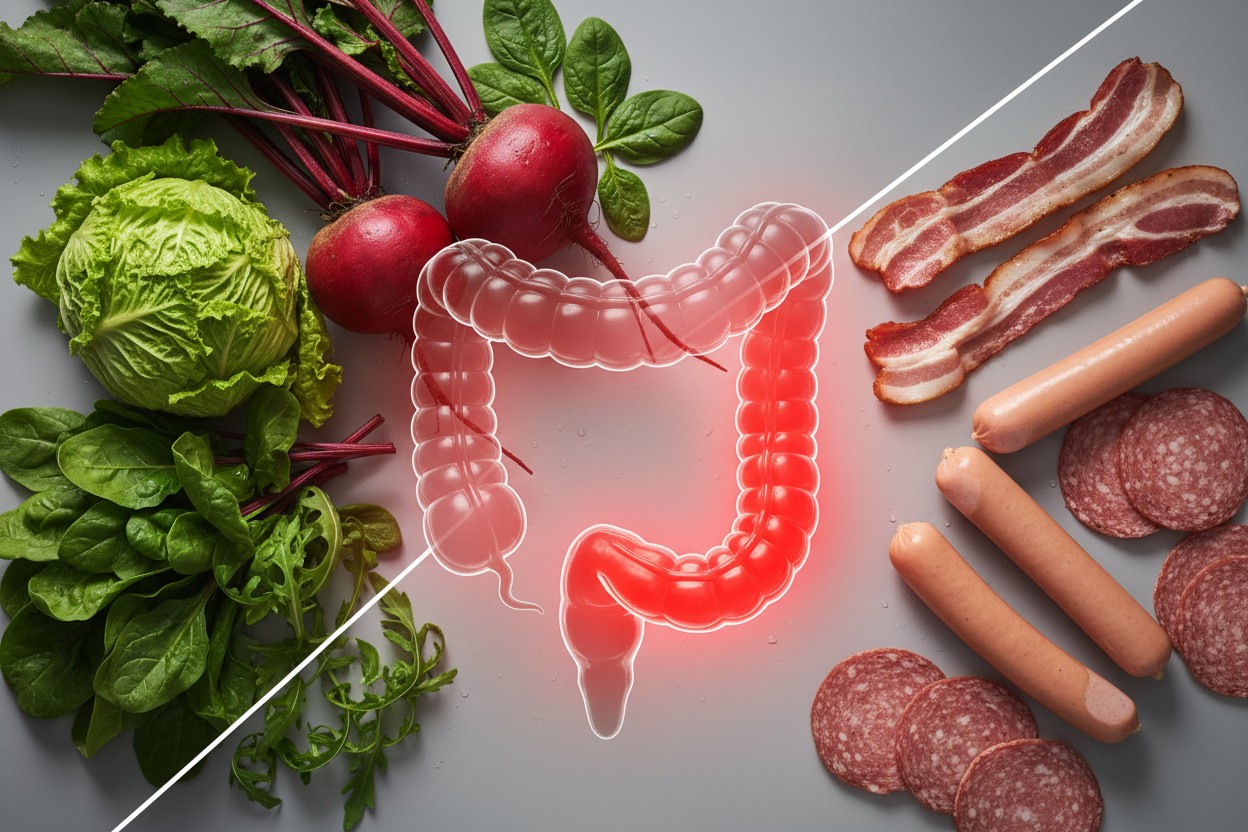
Processed meat refers to any meat that has been preserved or has undergone changes to its shape and flavor. That includes most of the meat options found behind the deli counter, as well as bacon, ham, hot dogs, and sausage [1].
The category is defined by preservation through smoking, curing, fermenting, or salting, or by the addition of chemical preservatives [5].
Research published in 2026 found that nitrite intake, but not nitrate intake, was associated with colorectal cancer risk in men; men in the highest fifth of nitrite intake had a 23% higher risk of colorectal cancer compared with the lowest fifth, while women showed no such pattern [6].
Tatum advised starting small. When shopping for deli meats, she said that might mean choosing nitrite- and nitrate-free options or those with lower sodium and fat contents.
Alcohol: Avoid It Altogether if Possible
Alcohol consumption is the third category linked to cancer, according to Tatum.
Comments from the Health Ranger Mike Adams, founder of Brighteon.com, echo concerns about alcohol-related tissue damage elsewhere in the upper digestive tract; he has said regular exposure to high acid levels can lead to conditions such as acid reflux disease and eventually esophagitis, which increases the risk of developing esophageal cancer [7].
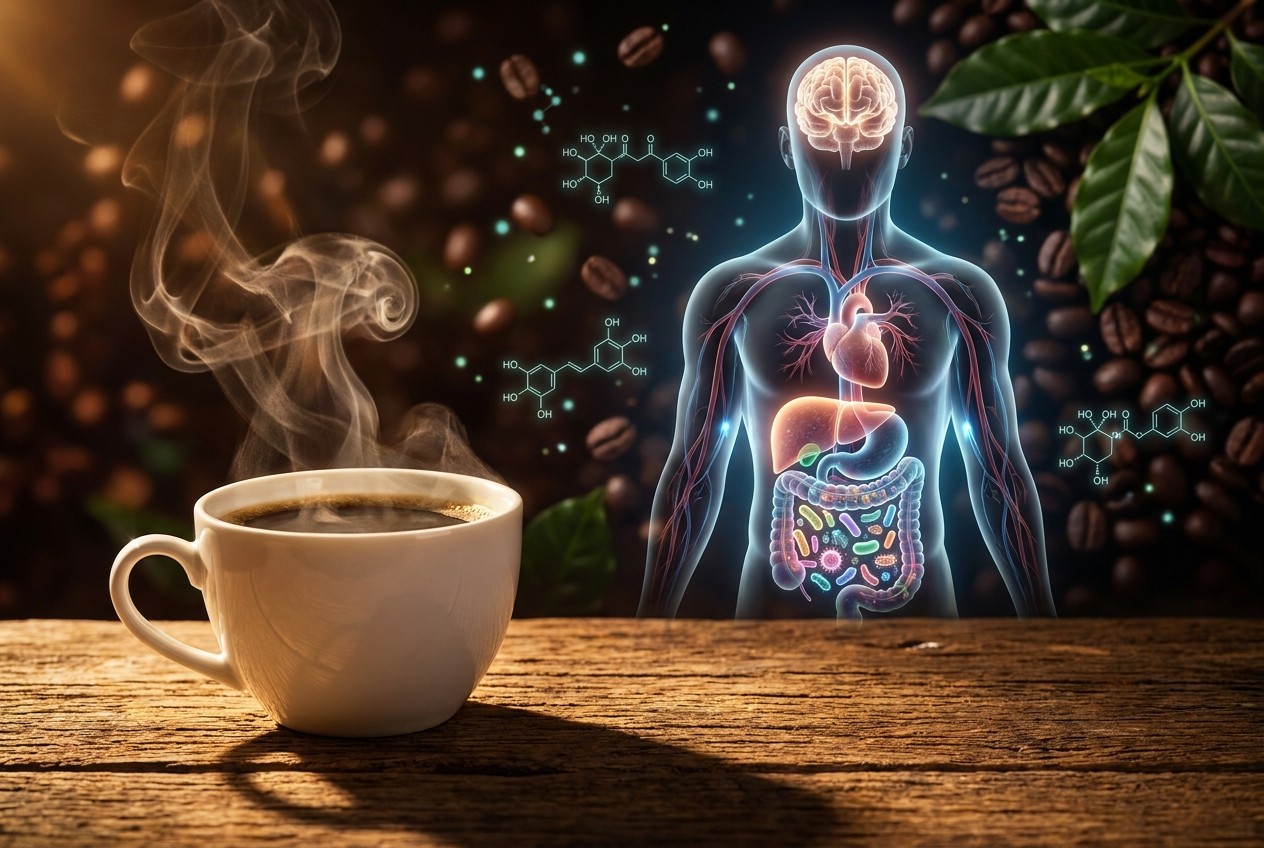
A related hazard lies in beverage temperature rather than alcohol content alone. Research from a study of nearly a million people found that those who drank their tea or coffee “very hot” had around a three times higher risk of esophageal cancer than “warm” drinkers, although experts stressed the overall chances of developing the cancer remain low [8].
Ultra-Processed Food and Drinks: Sugar and Sodium are Mostly to Blame
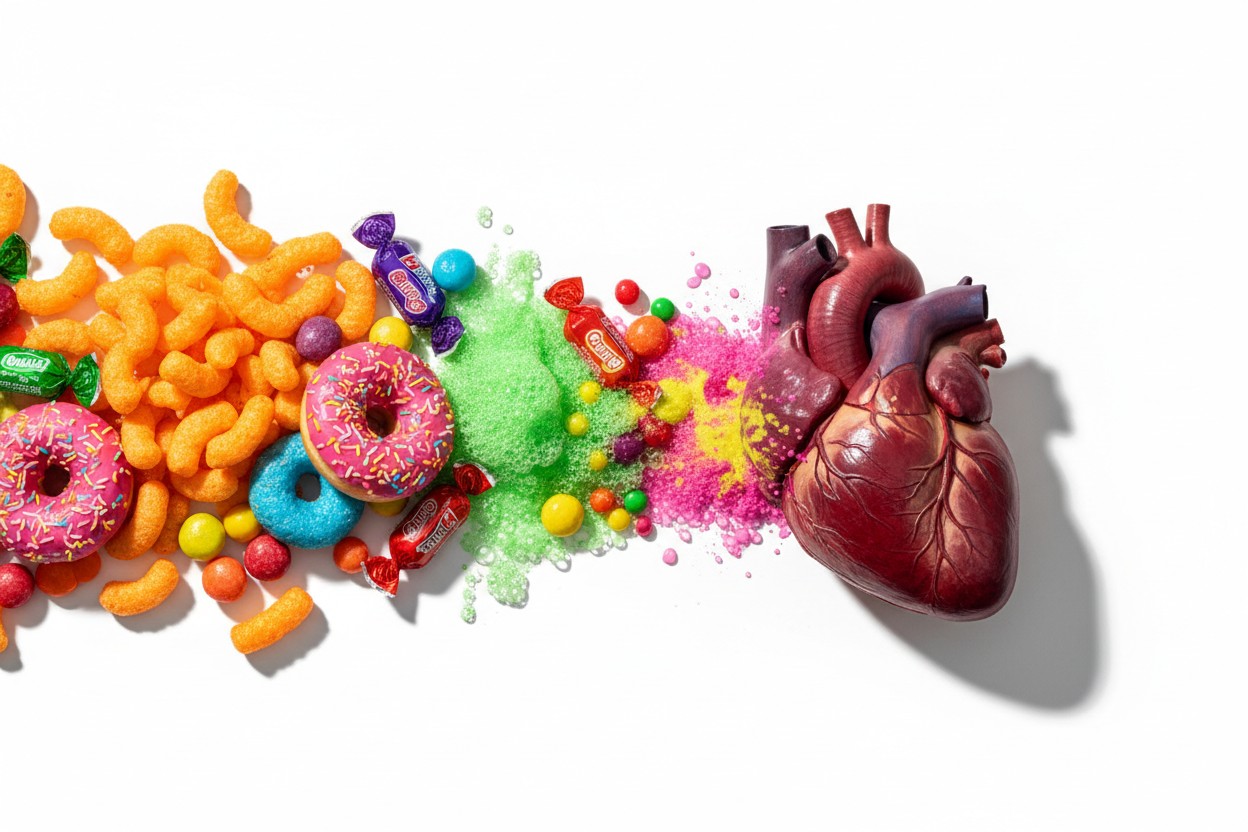
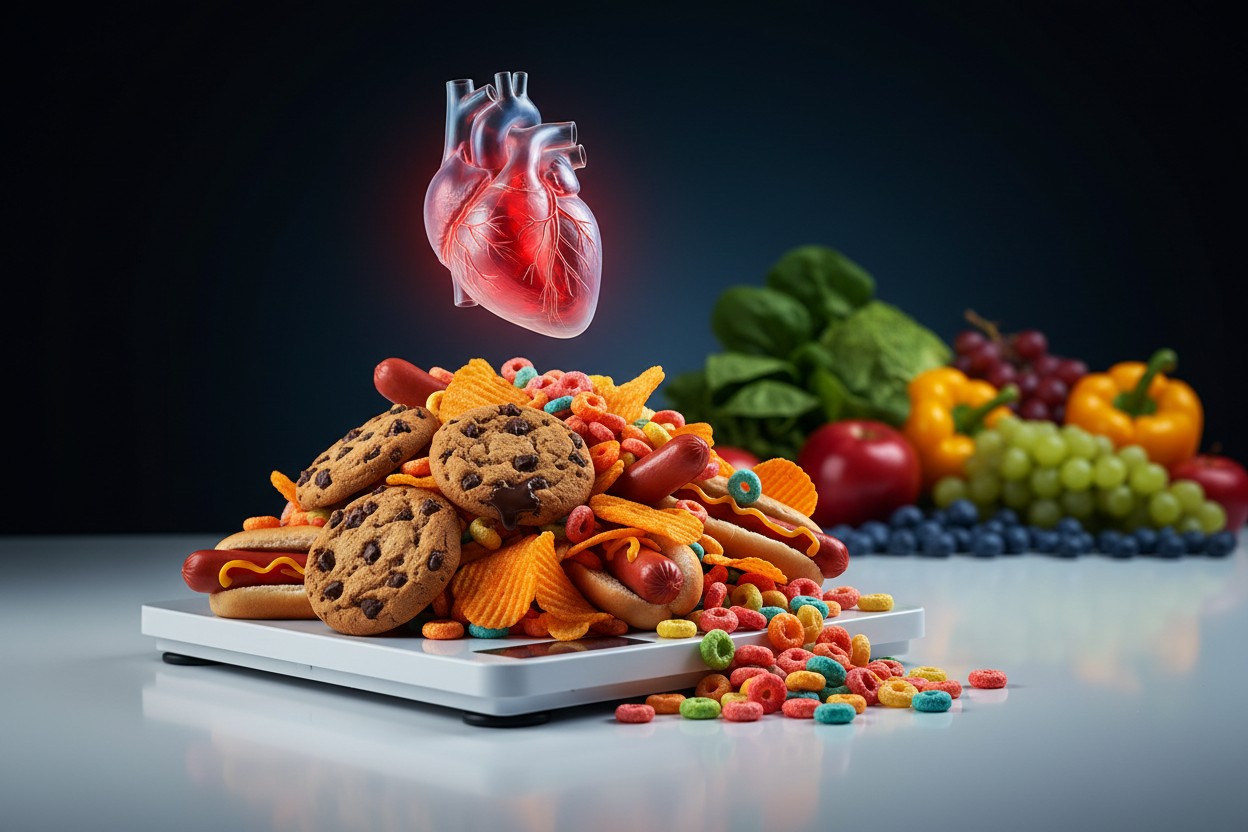
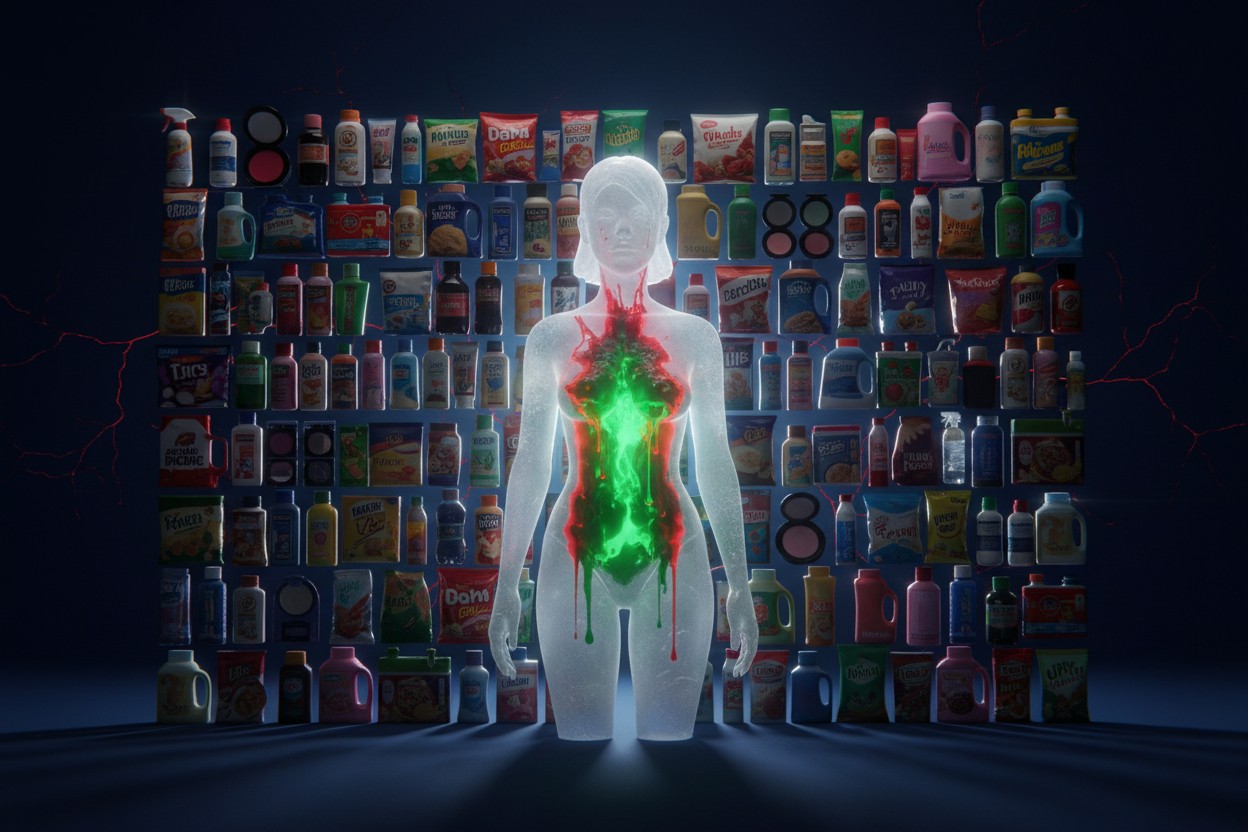
Ultra-processed foods and drinks are the fourth category, and excess body fat has itself been identified as a cancer risk factor. A NaturalNews.com article reported that Americans who are overweight due to body fat or abdominal fat may be able to lower their cancer risk naturally by changing their eating habits [9].
The concern is supported by recent research. An analysis of 51 studies involving 8.8 million adults published in Family Medicine and Community Health found that the more ultra-processed foods people consume, the higher their risk of chronic diseases and premature death [10].
Research from Florida Atlantic University’s Charles E. Schmidt College of Medicine found that men in the top ultra-processed food consumption groups had a 24% to 31% higher risk of prostate cancer after adjusting for factors such as age, smoking, race, and poverty status [12].
Added Sugar: Ultra-Processed Products Linked to Weight Gain and Obesity
Added sugar is the fifth category identified by Tatum as being linked to cancer.
MD Anderson research nutritionist Erma Levy has separately weighed in on the difference between artificial and natural sweeteners and whether one is better than the others for health [14].
How Diet Impacts Cancer Risk
Tatum’s guidance reflects a broader understanding of how diet impacts cancer risk. MD Anderson provides additional prevention and screening resources, including guidance on liver cancer screening for people at increased risk, a category that includes those with chronic hepatitis C infection [16].
Independent research has repeatedly pointed toward the same prevention framework. A report from the World Health Organization (WHO) found that both the Mediterranean Diet and Nordic Diet can help prevent serious health conditions such as cancer, diabetes, and cardiovascular disease [17].
References
- “5 foods and drinks linked to cancer.” MDAnderson.org. November 23, 2023
- “Bad eating habits associated with PREVENTABLE cancer burden among American adults.” NaturalNews.com. December 06, 2019.
- “Understanding nutrition.” Whitney Eleanor Noss Rolfes Sharon Rady
- “Good Medicine”. by Patrick Holford
- “Oncology nutrition for clinical practice: Second edition.” by Coble Voss Anne editor Williams Valaree editor
- “Study Finds Nitrite, Not Nitrate, Linked to Colorectal Cancer Risk in Men”. NaturalNews.com. September 26, 2026.
- Mike Adams interview with Bassima Williams. March 11, 2025.
- “Very hot drinks may damage the food pipe and increase cancer risk”. BBC.com. September 8, 2026.
- “Excess Body Fat Raises the Risk of Having Cancer”. NaturalNews.com. February 11, 2009.
- “The dangers of ultra-processed foods: How convenience could be costing you your life”. NaturalNews.com. October 5, 2026.
- “Study Ties Each Extra 100 Grams of Ultra-Processed Food to Greater Disease Risk.” NaturalNews.com. September 29, 2026.
- “Study: Ultra-Processed Foods May Raise Prostate Cancer Risk by 30%”. NaturalNews.com. August 31, 2026.
- “Why Do 90 Percent of People Eat Garbage”. Mercola.com. April 04, 2018.
- “Artificial sweeteners vs. natural sweeteners: Which one is better?”. MDAnderson.org. March 25, 2025.
- “Study identifies 6 food groups linked to greater cancer risk: A well-balanced diet is best for overall health, advise researchers”. NaturalNews.com. December 05, 2019.
- “Liver Cancer Screening Exams”. MDAnderson.org.
- “WHO: Reduce your risk of cancer and heart disease by following either the Mediterranean or Nordic-style diet”. NaturalNews.com, June 18, 2018.
Explainer Infographic
Submit a correction >>
Tagged Under:
#nutrition, added sugar, Alcohol, artificial sweetener, cancer risk, eating habits, health science, men's health, Processed Meats, red meats, research, sweeteners, toxic food, ultra-processed drinks, women's health
This article may contain statements that reflect the opinion of the author
RECENT NEWS & ARTICLES